[email protected]
 Monday to Friday 8 a.m.- 5 p.m.
Call Us +86-13968655659
[email protected] Monday to Friday 8 a.m.- 5 p.m.Industry News
 2026.07.31
 Industry News
The manufacturing industry continues to place higher requirements on precision parts, especially in sectors that depend on large-volume metal components. As production schedules become tighter, companies are reviewing their tooling processes to improve consistency and reduce unnecessary adjustments during manufacturing.
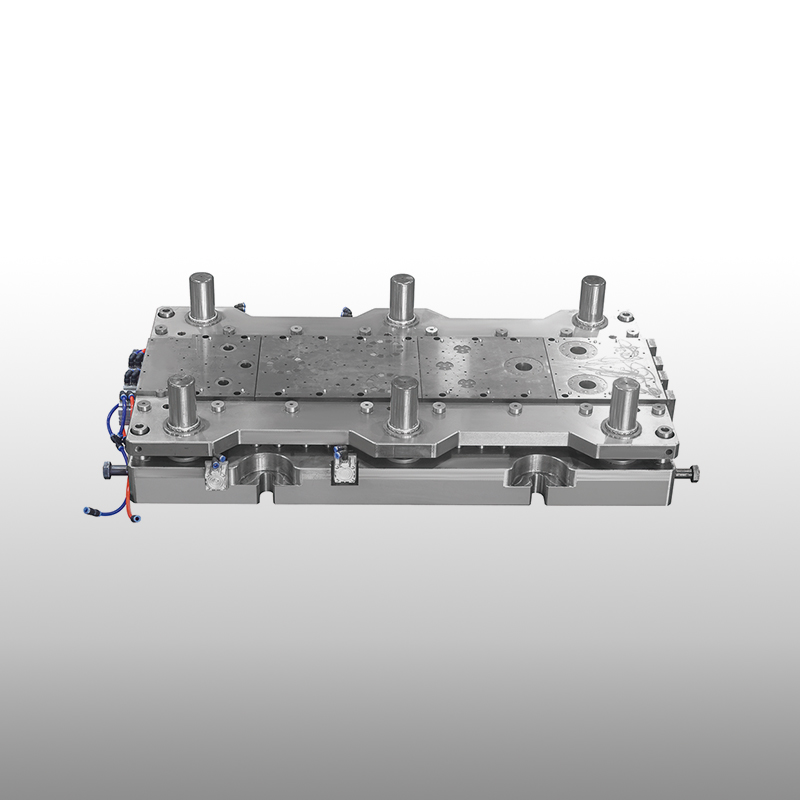
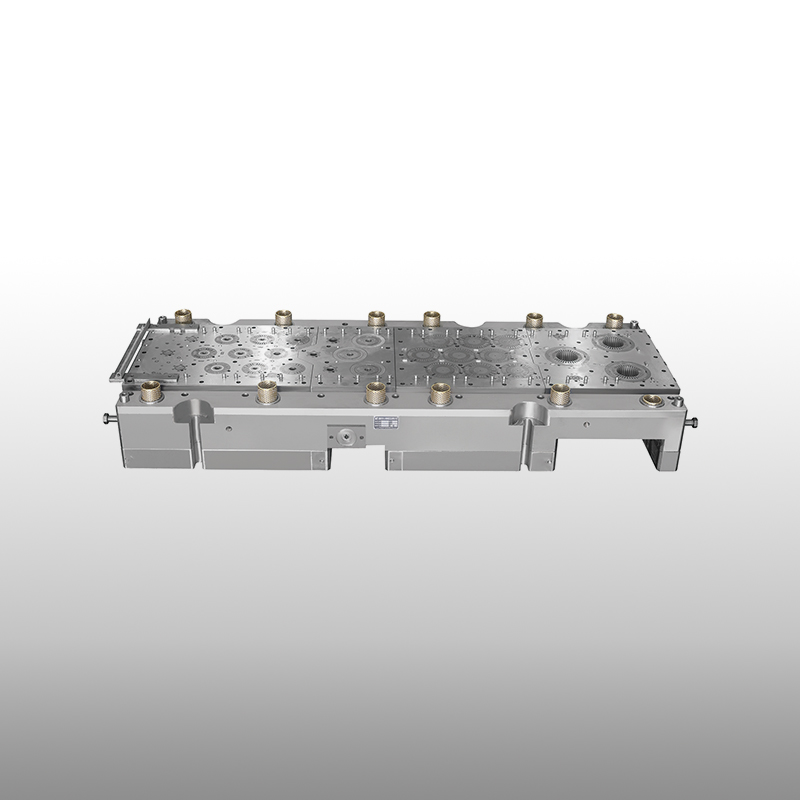
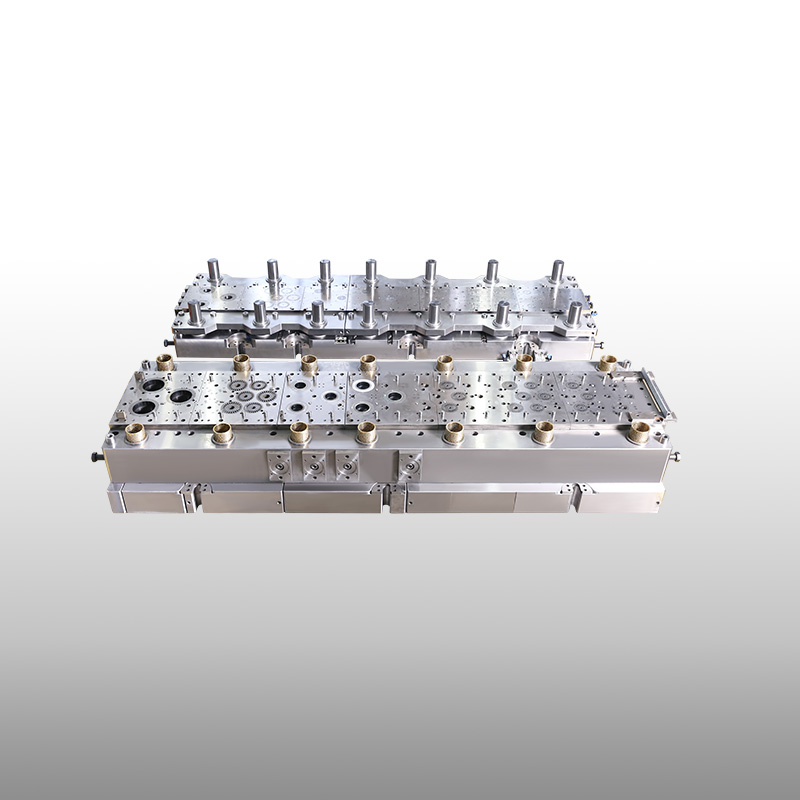
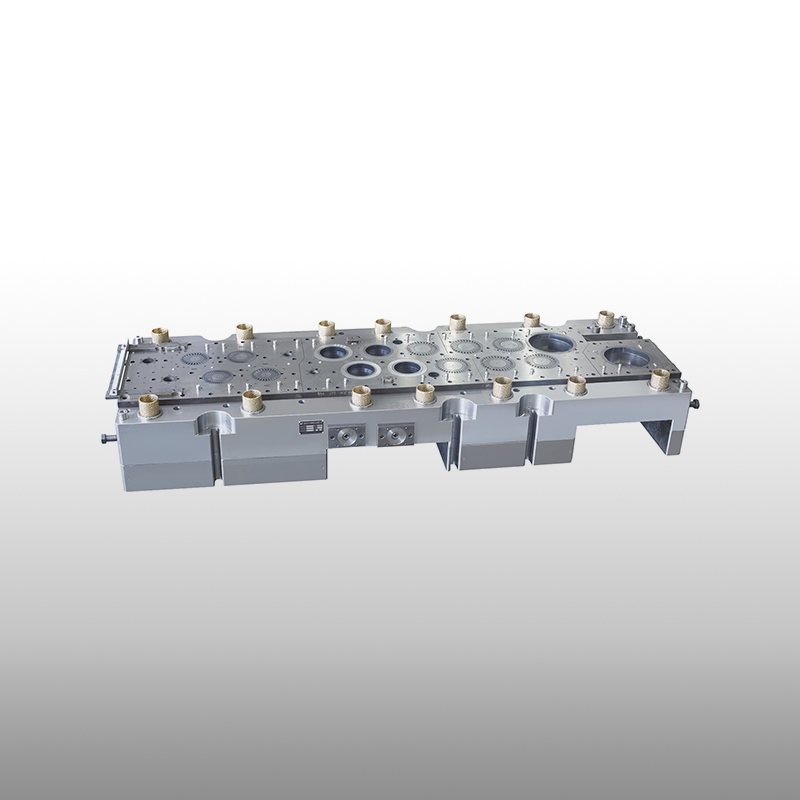
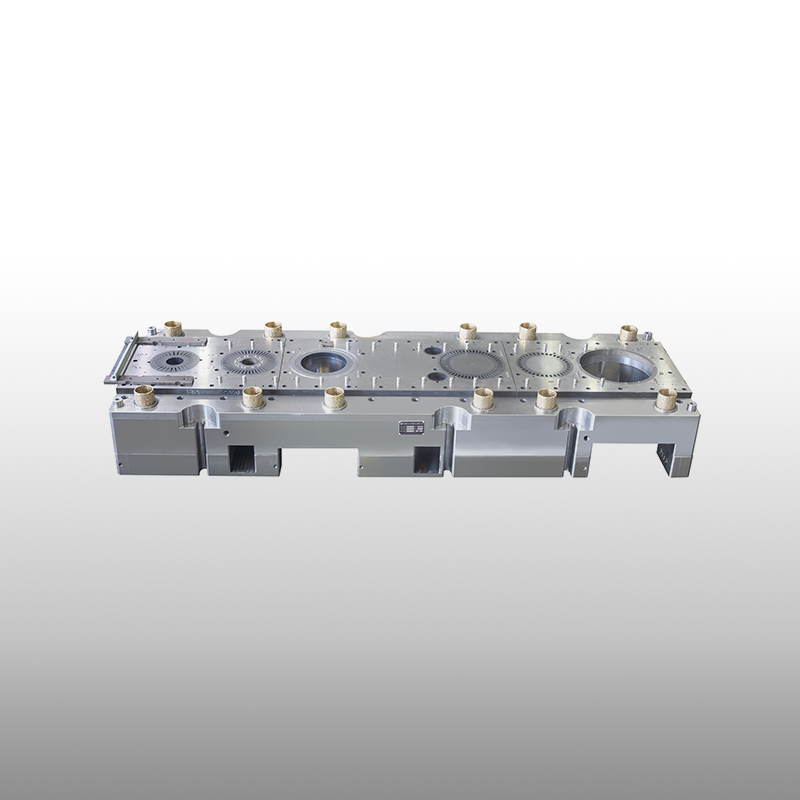
For suppliers producing Metal Stamping Tool and Die solutions, customer discussions are becoming more focused on design accuracy, production stability, and tool service life. Buyers are looking beyond basic tooling supply and paying more attention to how a die performs throughout repeated production cycles.
This change has encouraged mold manufacturers to improve their engineering processes. Design communication, material selection, and trial production arrangements are becoming important steps before tools enter mass production.
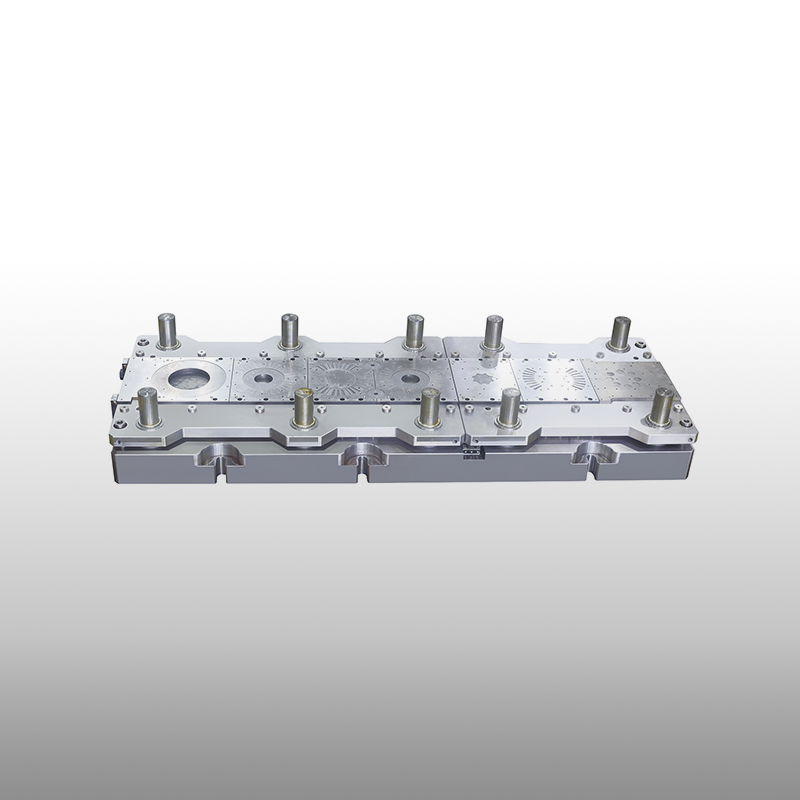
High-volume metal component production requires tooling systems that can maintain stable performance over long periods. Progressive stamping processes have become a common consideration for manufacturers handling complex parts with multiple forming steps.
A well-designed Metal Stamping Tool and Die system can influence production efficiency, part accuracy, and material utilization. During development, engineers usually review factors such as stamping sequence, die structure, and press machine compatibility.
For companies involved in precision stamping dies, tooling quality directly affects downstream manufacturing operations. Small differences in forming accuracy may influence assembly processes, especially in industries requiring strict dimensional control.
Manufacturers are also reviewing their existing tooling strategies as product designs become more complicated. The ability to adapt dies for different production requirements has become an important part of supplier evaluation.
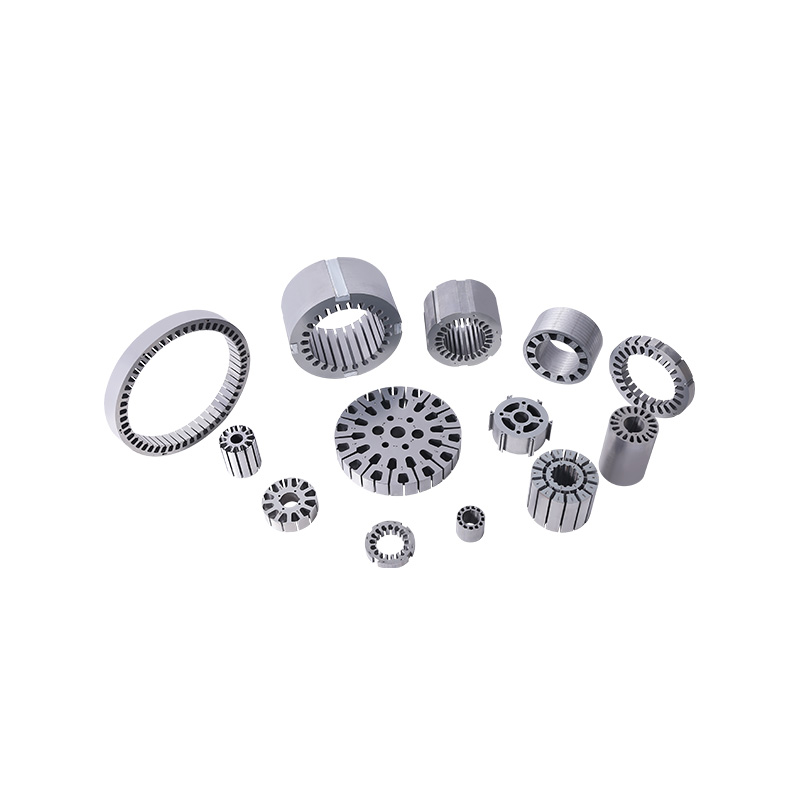
Tool and die production involves close cooperation between customers and manufacturers. Before machining begins, engineers often review product drawings, material characteristics, and expected production quantities.
For a Metal Stamping Tool and Die project, early communication can influence the final tooling structure. Changes made during the design stage are usually easier to manage than adjustments after production has started.
Many buyers now prefer working with suppliers that can participate in product development discussions. Technical experience, engineering response speed, and problem-solving ability have become key factors during supplier selection.
The demand for progressive stamping solutions has also increased among manufacturers looking for efficient production methods. These systems require careful planning because each stamping station needs to work together during continuous operation.
When selecting a tooling supplier, manufacturers often evaluate more than the initial production cost. Tool lifespan, maintenance requirements, and long-term performance are becoming important parts of purchasing decisions.
A stamping die may operate through thousands or even millions of production cycles, depending on the application. Because of this, material choice, machining accuracy, and manufacturing experience all influence the final performance of the tool.
Suppliers producing Metal Stamping Tool and Die products are improving inspection procedures and manufacturing control to meet customer expectations. Detailed checking during machining and assembly helps identify potential issues before tools are delivered.
International manufacturing companies are continuously searching for reliable tooling partners that can support new projects and changing production requirements. Export-oriented suppliers are adapting their services to provide stronger technical communication and project coordination.
For manufacturers involved in Metal Stamping Tool and Die production, the ability to support different industries has become increasingly important. Automotive components, electrical parts, and precision metal products all require different tooling approaches.
As industrial production continues to evolve, stamping tool suppliers are focusing on engineering capability, manufacturing accuracy, and cooperation with global customers. The future competition in the tooling industry will depend on how effectively companies combine production experience with advanced manufacturing requirements.
Recommended Products


Sale Precision Stamping Mold Company


 English
 Español
 русский