[email protected]
 Monday to Friday 8 a.m.- 5 p.m.
Call Us +86-13968655659
[email protected] Monday to Friday 8 a.m.- 5 p.m.Industry News
 2026.05.01
 Industry News
In metal part production, the mold often decides whether the process stays smooth or becomes difficult to control. A part may look simple on paper, but once it enters real production, every hole, bend, edge, and forming step starts affecting the output. That is why tooling structure matters so much in stamping projects.
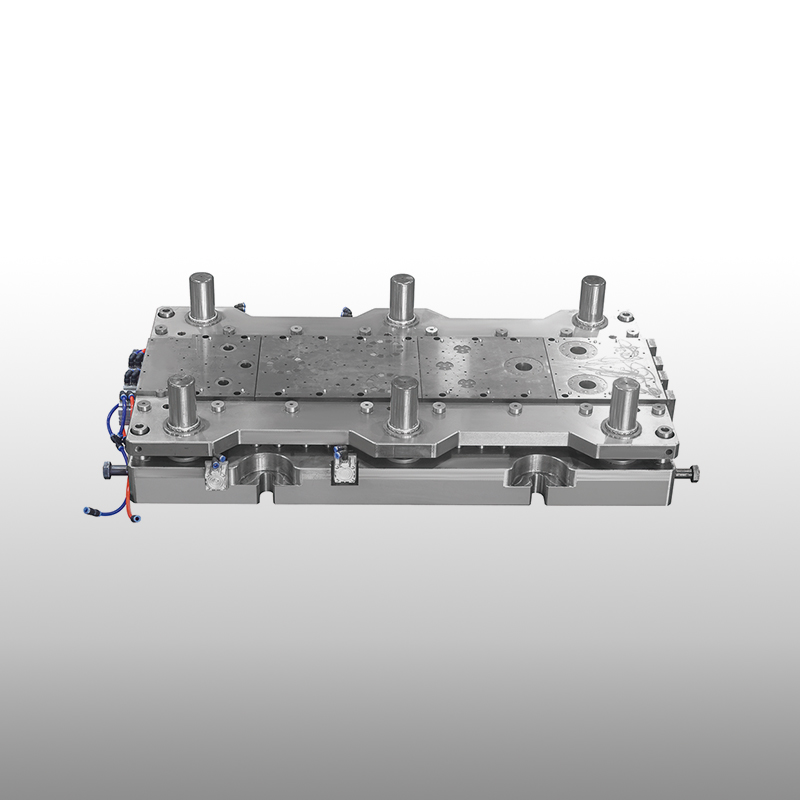
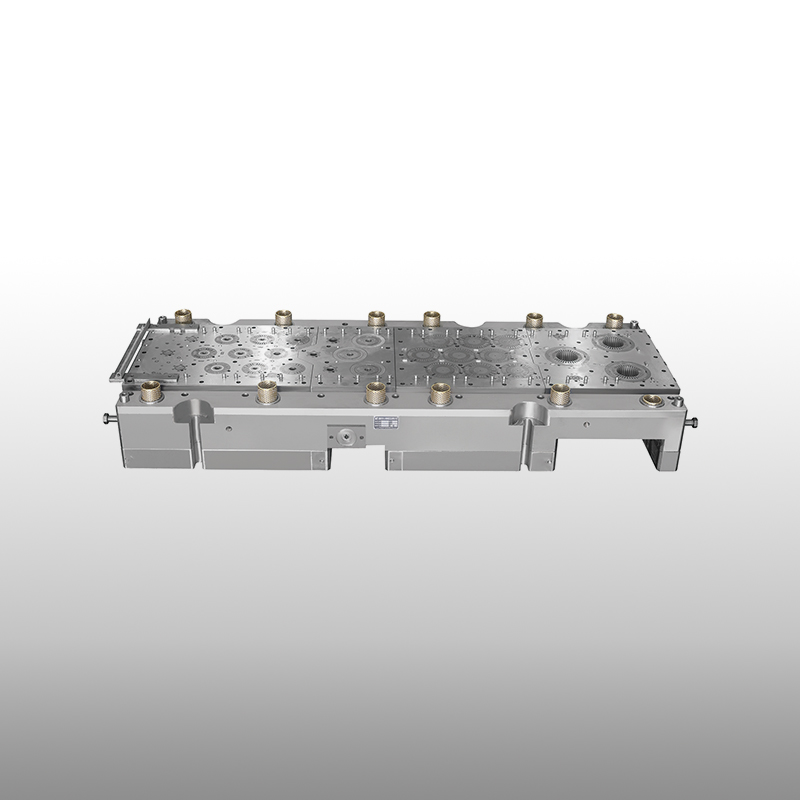
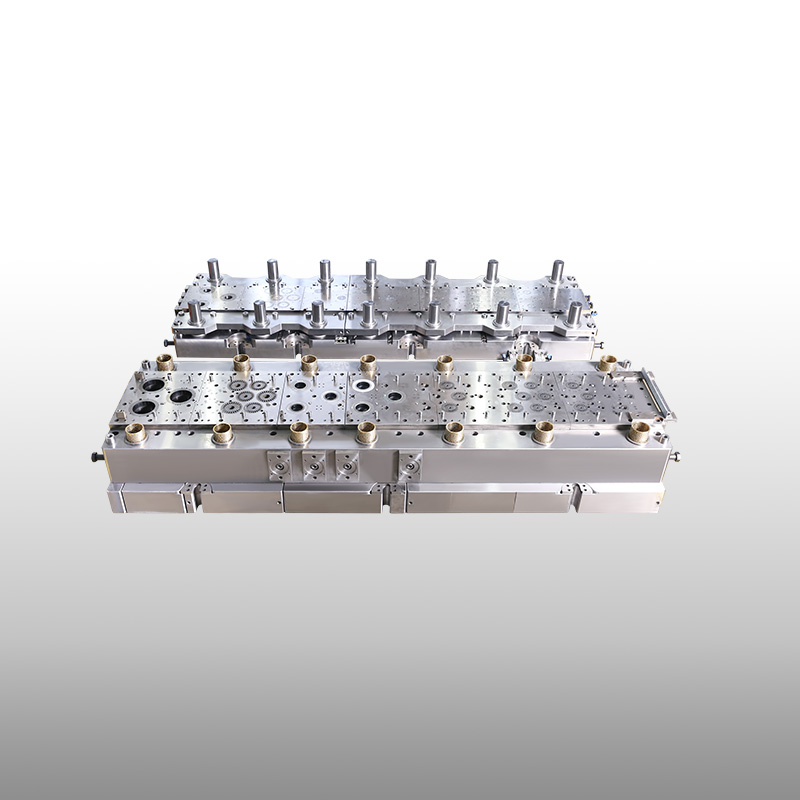
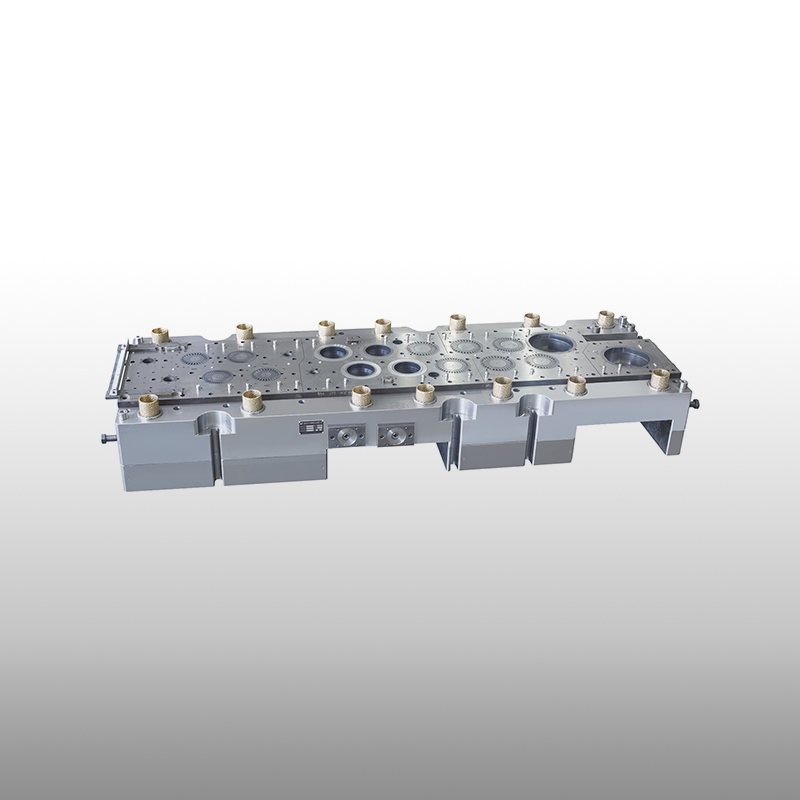
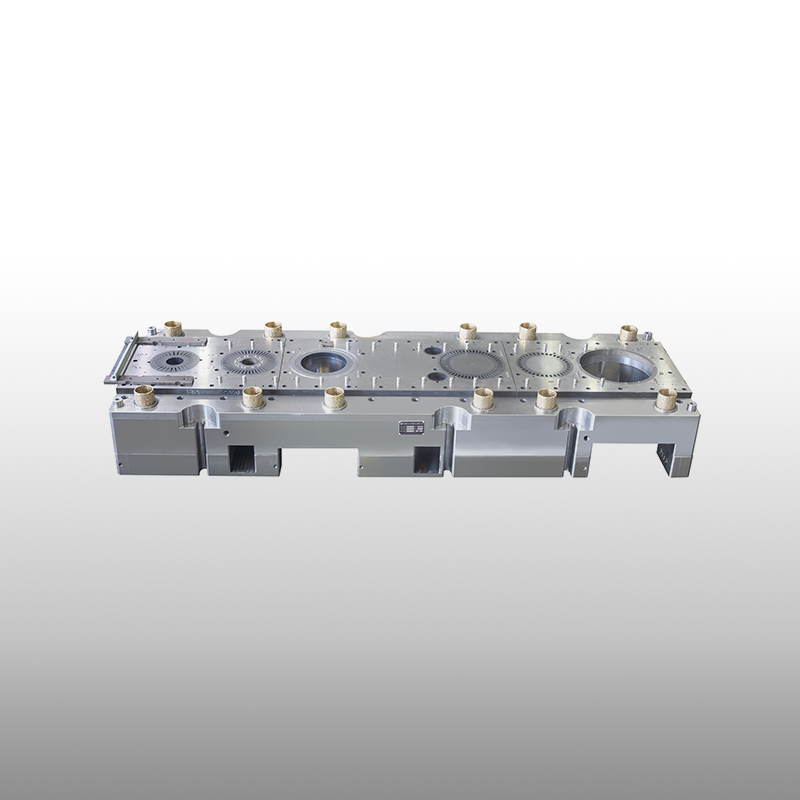
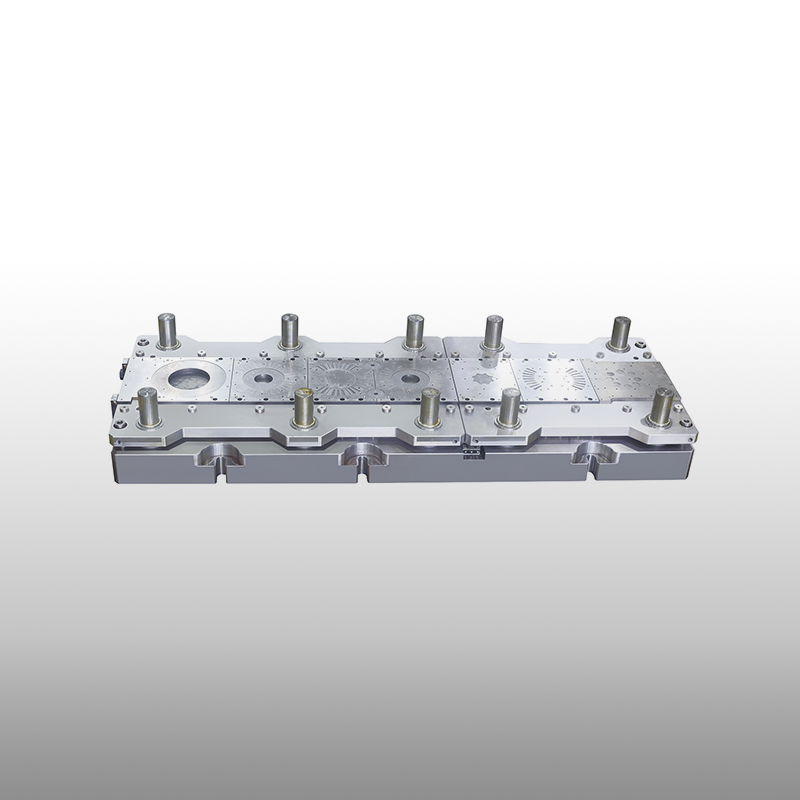
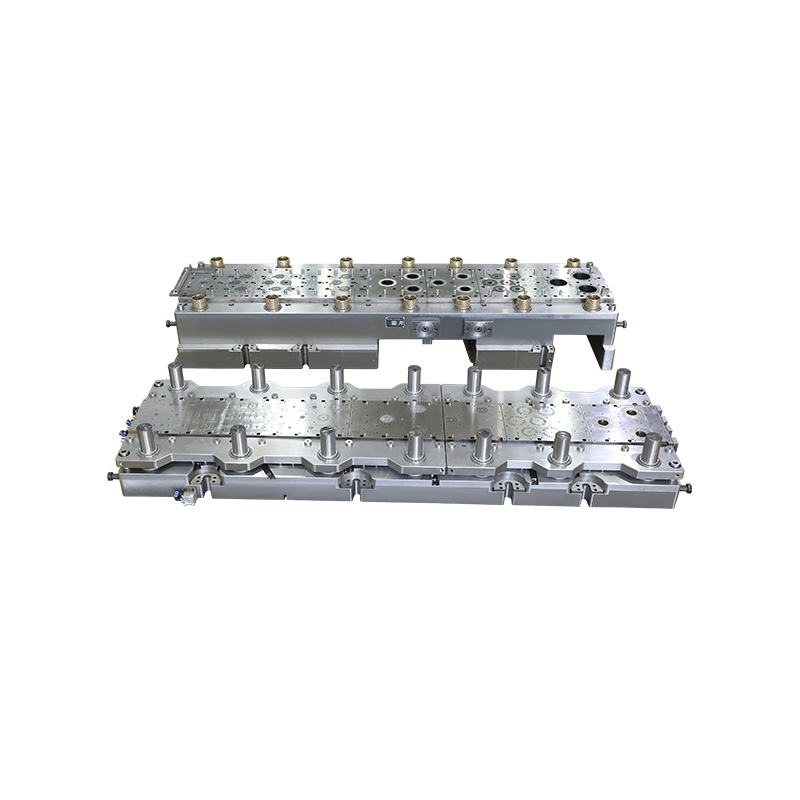
A Progressive Stamping Mold is developed for parts that need several operations completed in sequence. Instead of producing a part through separate standalone tools, the progressive approach organizes multiple actions into one continuous workflow. This makes the production route more practical for repeated manufacturing.
For many industrial parts, this is not only about speed. It is also about keeping the process organized and keeping the output more stable over time. When cutting, punching, bending, and shaping happen in a planned sequence, it becomes easier to manage dimensional consistency and part formation across large production runs.
That is one reason many manufacturers prefer working with a specialized Progressive Stamping Mold Factory when the part structure is more complex or when repeated output is a daily requirement.
Factories often focus on machine settings or operator adjustments when a stamping line becomes unstable. But many recurring problems begin much earlier, during mold planning.
Common production concerns include:
These issues are often signs that the tooling was not developed around the real production conditions. A general stamping tool may be able to produce the part, but not always in a way that supports a cleaner and more manageable workflow.
A Progressive Stamping Mold is designed to address this kind of issue by building each operation into a controlled station sequence. Instead of relying on repeated manual correction, the mold structure does more of the process control from the start.
This becomes especially useful for manufacturers producing brackets, clips, terminals, hardware pieces, and formed metal parts with repeated dimensional requirements.
In progressive stamping, strip layout is not just a technical drawing. It is the foundation of how the mold will function in production.
A strip layout defines how the material moves through the tool, how each station is positioned, and how the part is developed step by step.
Good strip layout planning can support:
When the strip layout is weak, the mold may still run, but production often becomes harder to control. Material movement may become unstable, features may shift, and the process may require more manual correction than expected.
A well-structured Progressive Stamping Mold can support more than one part formation. It can also help improve production rhythm, reduce repeated corrections, and make the manufacturing process easier to maintain over time.
For industrial manufacturers working with stamped metal parts, choosing the right tooling approach is often one of the more practical steps in building a stable production process.
Recommended Products


Sale Precision Stamping Mold Company


 English
 Español
 русский