[email protected]
 Monday to Friday 8 a.m.- 5 p.m.
Call Us +86-13968655659
[email protected] Monday to Friday 8 a.m.- 5 p.m.Industry News
 2026.04.24
 Industry News
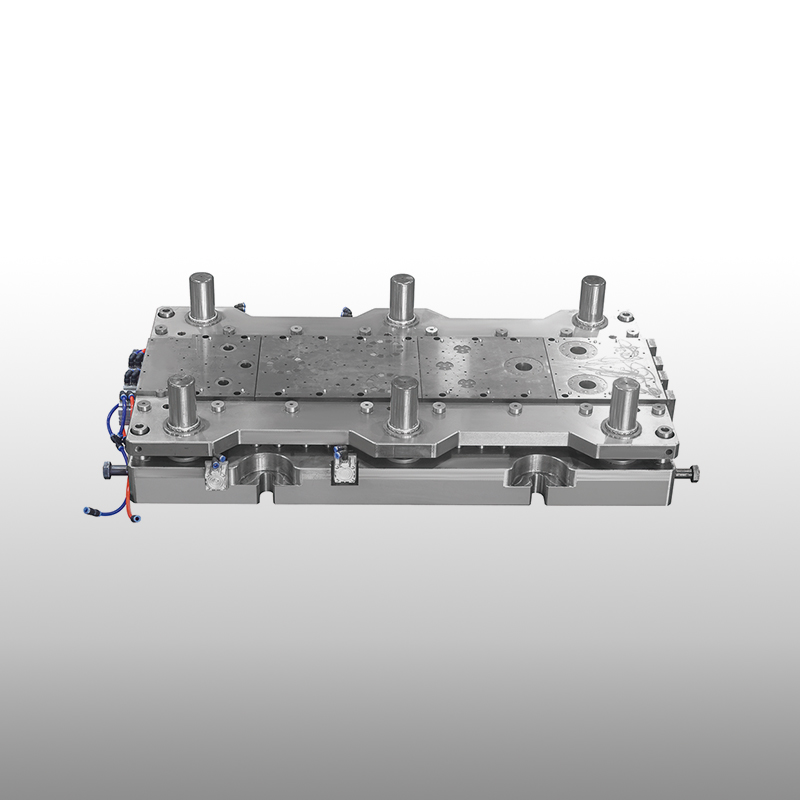
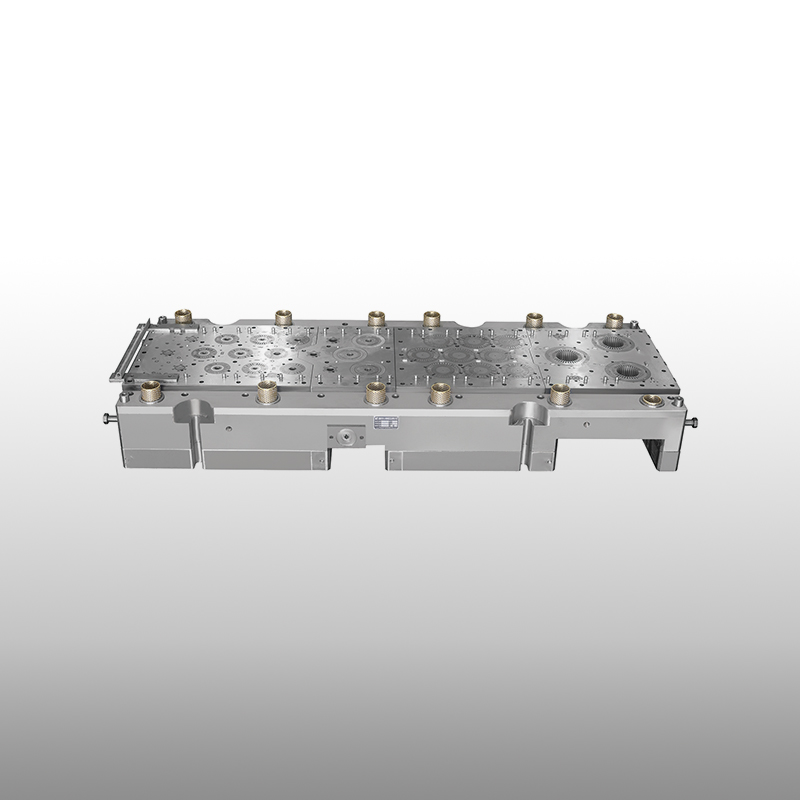
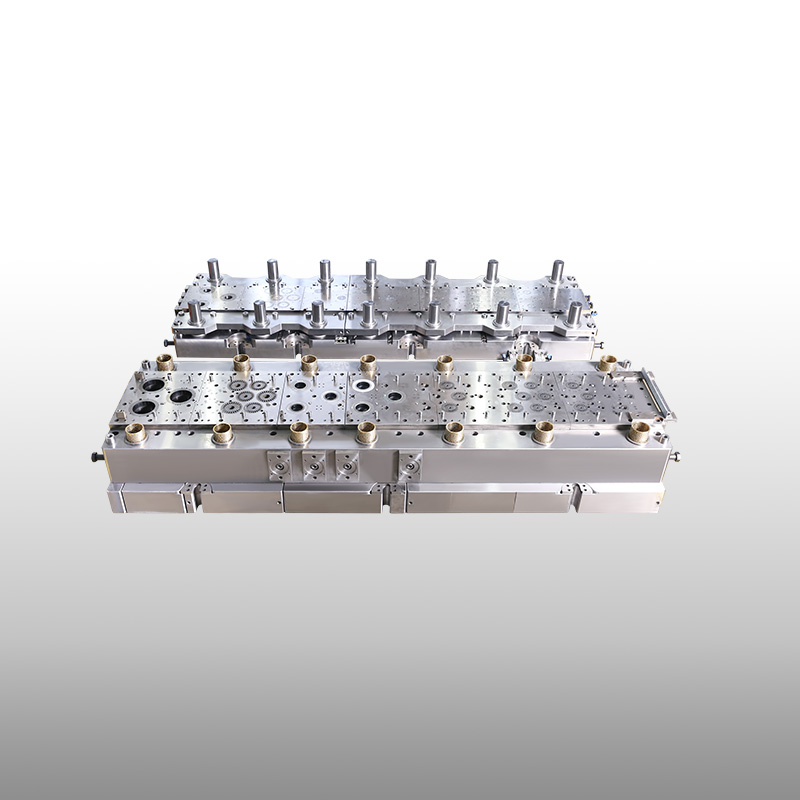
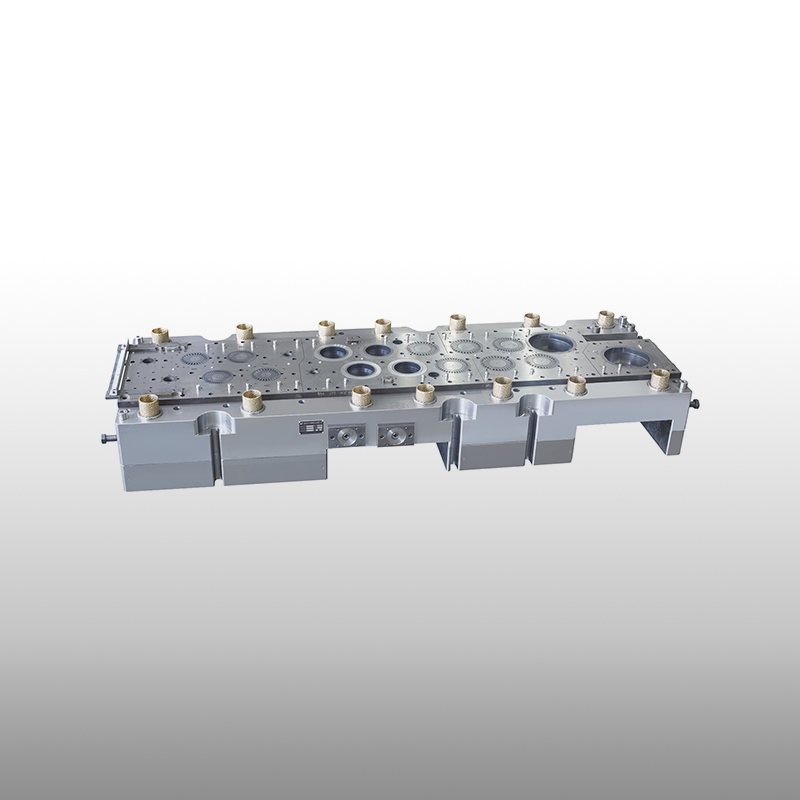
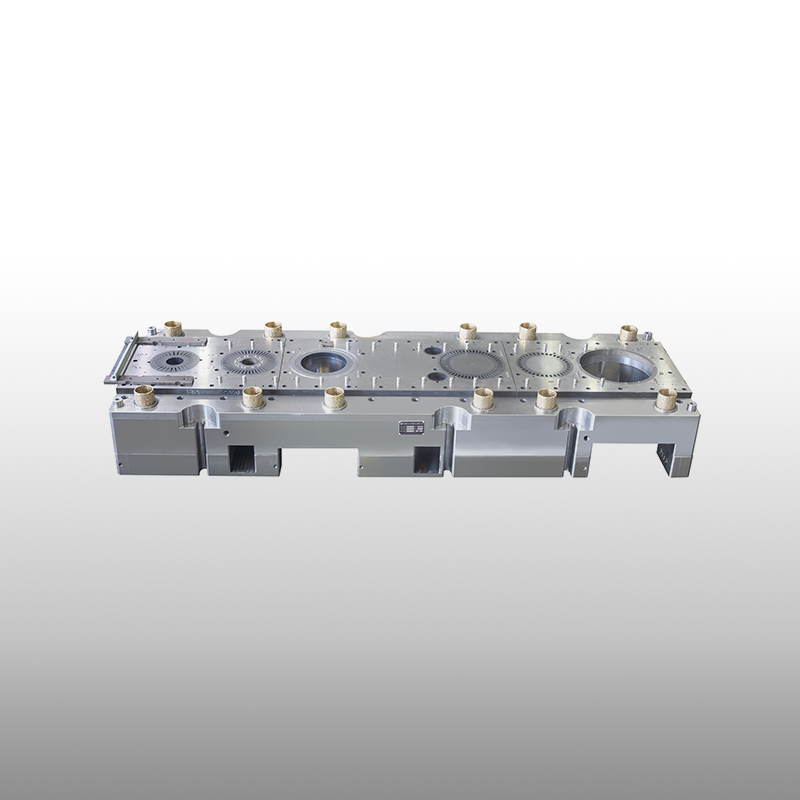
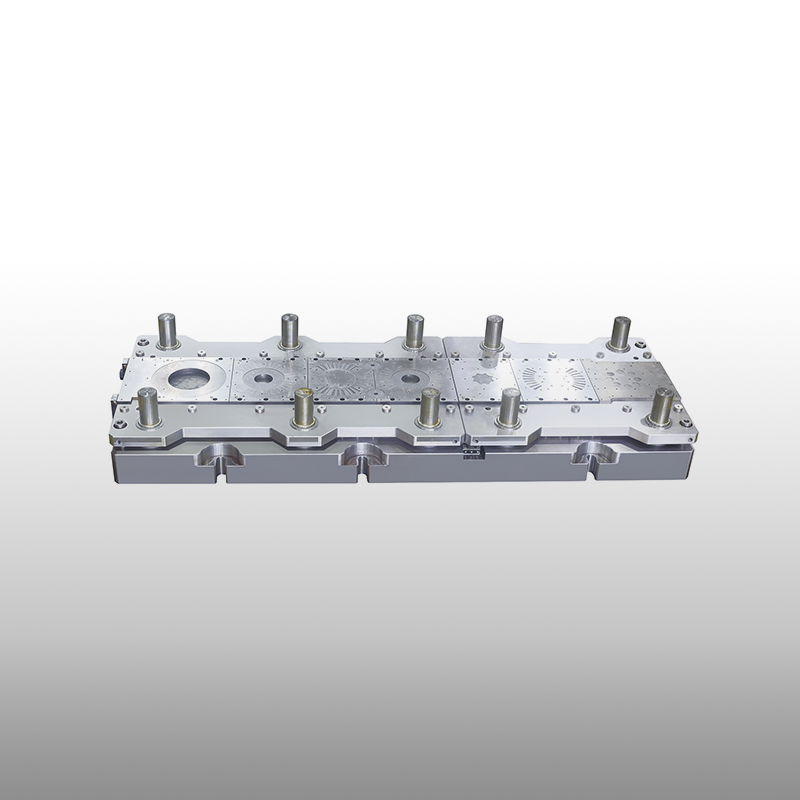
Industrial production depends on tooling that can keep up with real part requirements. When a product has unique dimensions, detailed surfaces, structural complexity, or repeated output demands, standard tooling often becomes difficult to work with. That is why many manufacturers turn to Custom Metal Mold solutions for more practical production support.
A mold is not just a shaped tool sitting inside a production process. It directly affects how a part forms, how stable the output remains, and how much manual adjustment is needed over time. When the tooling is developed around the product from the beginning, the whole manufacturing process becomes easier to manage.
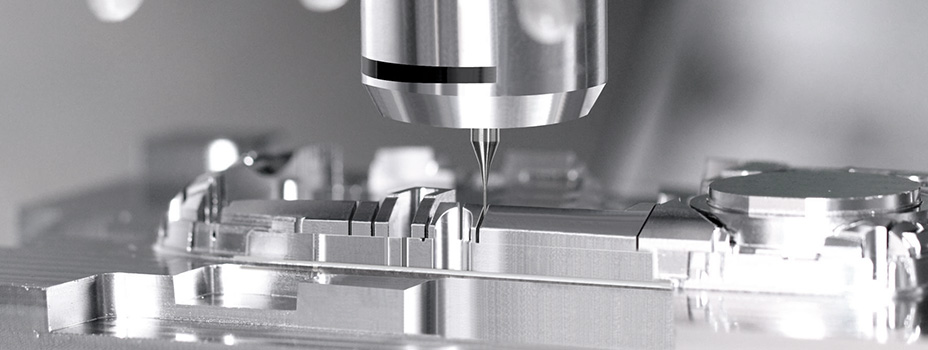
This is especially relevant for companies working on metal components, industrial structures, hardware parts, and stainless steel products. In these fields, part consistency and tooling reliability are closely connected. A mold that fits the product well can help reduce repeated corrections and support smoother daily production.
That is also why working with a capable Custom Metal Mold Factory is often a practical step for companies that need tooling built around actual application needs rather than general production assumptions.
Many factories deal with recurring production problems that seem small at the beginning but become costly over time. In many cases, the real issue is not the machine or the operator. It starts with the mold.
Common problems include:
These problems often appear when the tooling does not fully match the part design or production method. A standard mold may seem usable at first, but it can create repeated friction once production begins.
A Custom Metal Mold is built to solve this kind of mismatch. Instead of asking production to adapt around tooling limitations, the mold is designed around the product structure, intended use, and manufacturing goal.
That difference becomes more visible when parts require tighter control, repeat consistency, or special geometry.
For many companies, the mold-making process feels technical and unclear from the outside. In reality, it usually follows a structured path from product data to finished tooling.
1. Product Requirement Review
The project begins with a drawing, sample, or dimensional file. At this stage, the mold team studies the part shape, structural details, and expected production use.
2. Tooling Design Planning
Once the product is understood, the mold structure is planned. This may include cavity arrangement, parting line position, release structure, and processing logic.
3. Mold Material Selection
The tooling material is selected according to production needs. Factors such as usage frequency, structural complexity, and required stability all influence this decision.
4. Machining and Mold Fitting
After the design is confirmed, the mold components are machined and assembled. This stage directly affects how accurately the mold performs later.
5. Testing and Adjustment
Trial runs are carried out to check output condition, part shape, and overall mold behavior. Adjustments are made if the real result does not fully match the intended target.
This is why a Custom Metal Mold is often more efficient in the long run than relying on a generic tool that needs repeated correction during production.
Recommended Products


Sale Precision Stamping Mold Company


 English
 Español
 русский