[email protected]
 Monday to Friday 8 a.m.- 5 p.m.
Call Us +86-13968655659
[email protected] Monday to Friday 8 a.m.- 5 p.m.Industry News
 2026.04.17
 Industry News
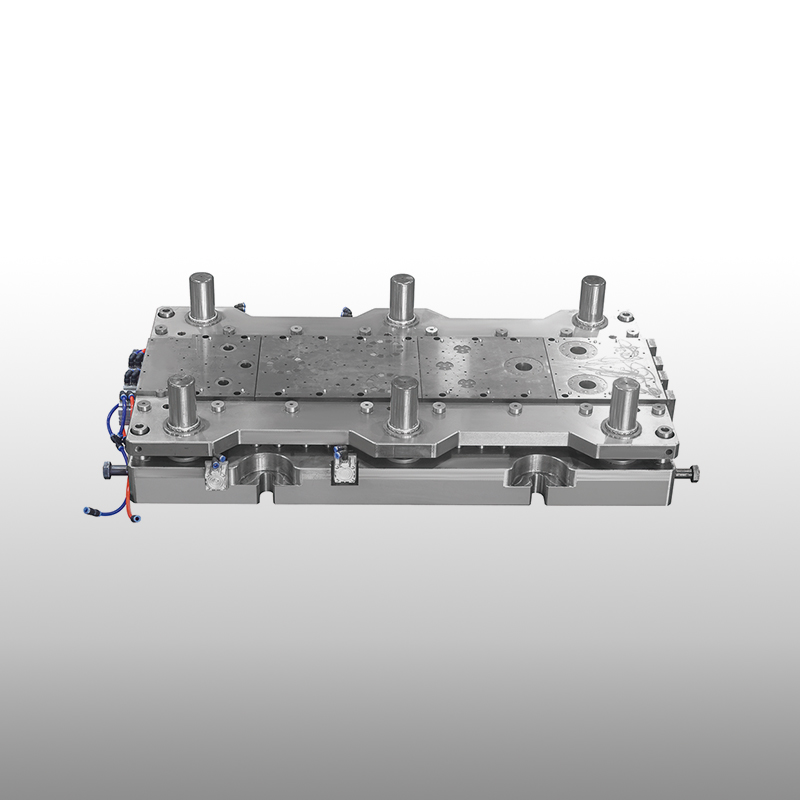
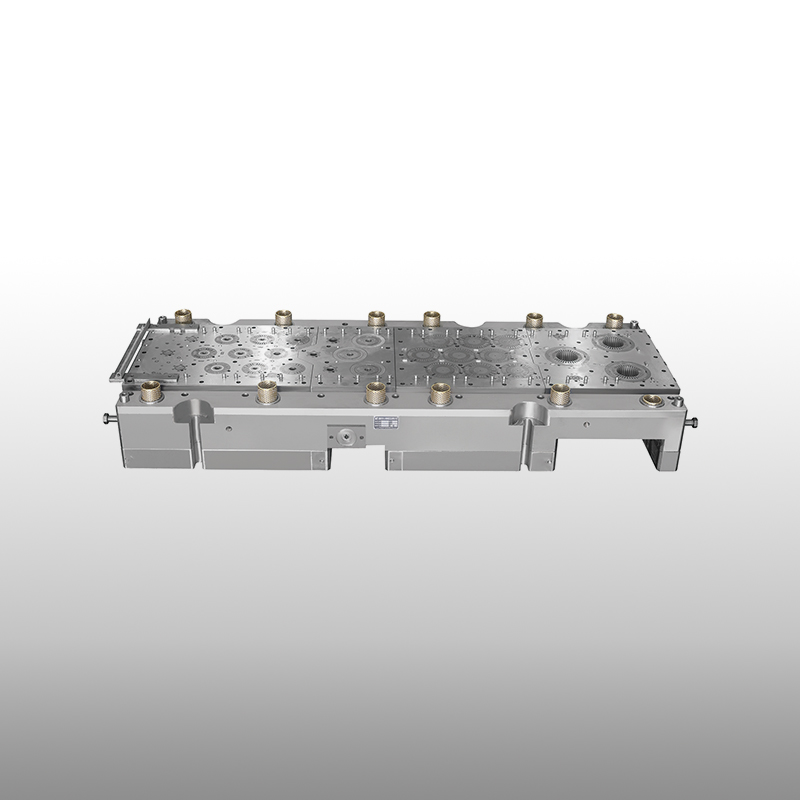
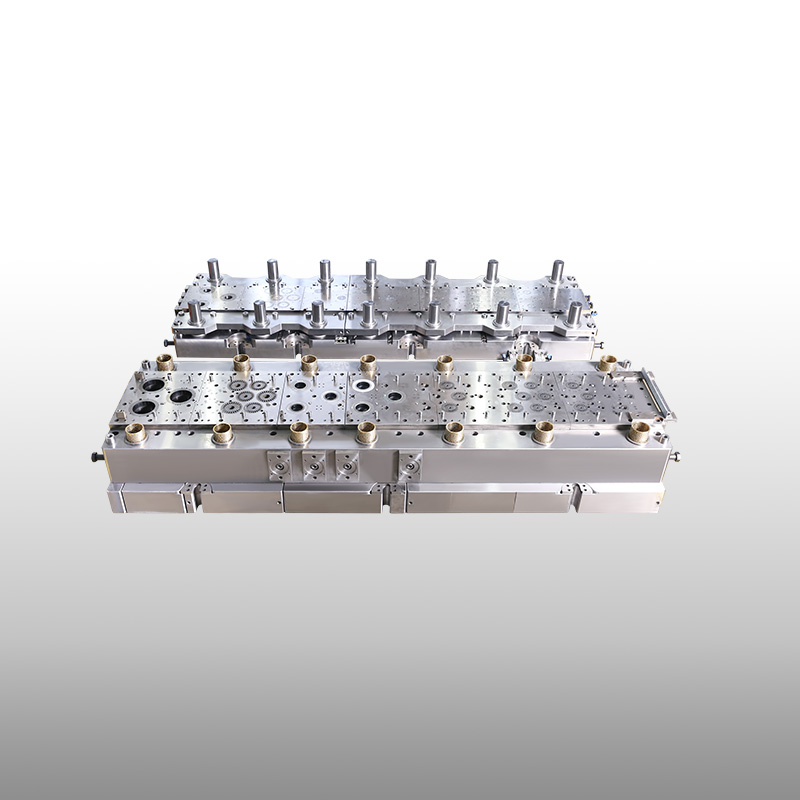
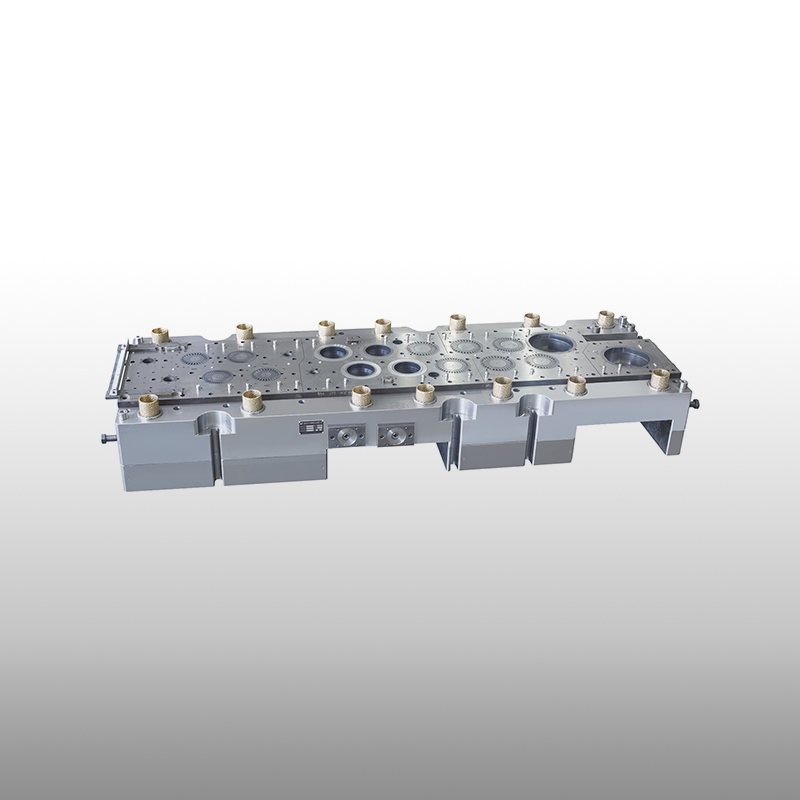
Mold Customization plays a central role in industrial production, where part accuracy, repeatability, and process stability matter every day. Standard molds can work for common products, but many manufacturers need tooling that fits a unique part structure, production method, or material requirement. That is where customized mold development becomes practical rather than optional.
A well-planned mold is not just a tool. It directly affects how parts are formed, how stable the production cycle stays, and how much correction is needed after manufacturing. When the mold design matches the product drawing and production target from the beginning, operations become smoother and internal coordination becomes easier.
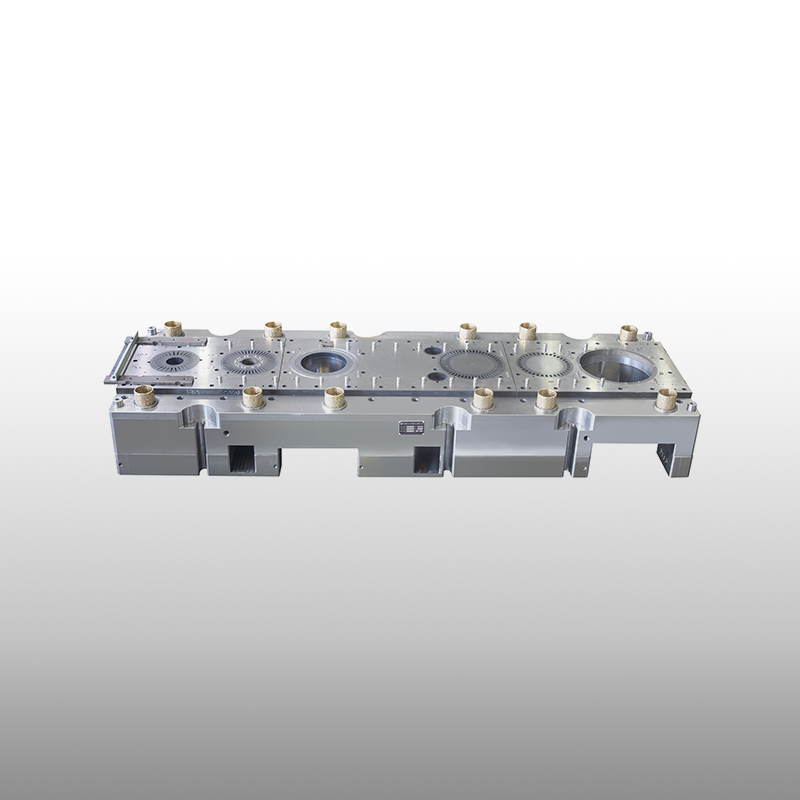
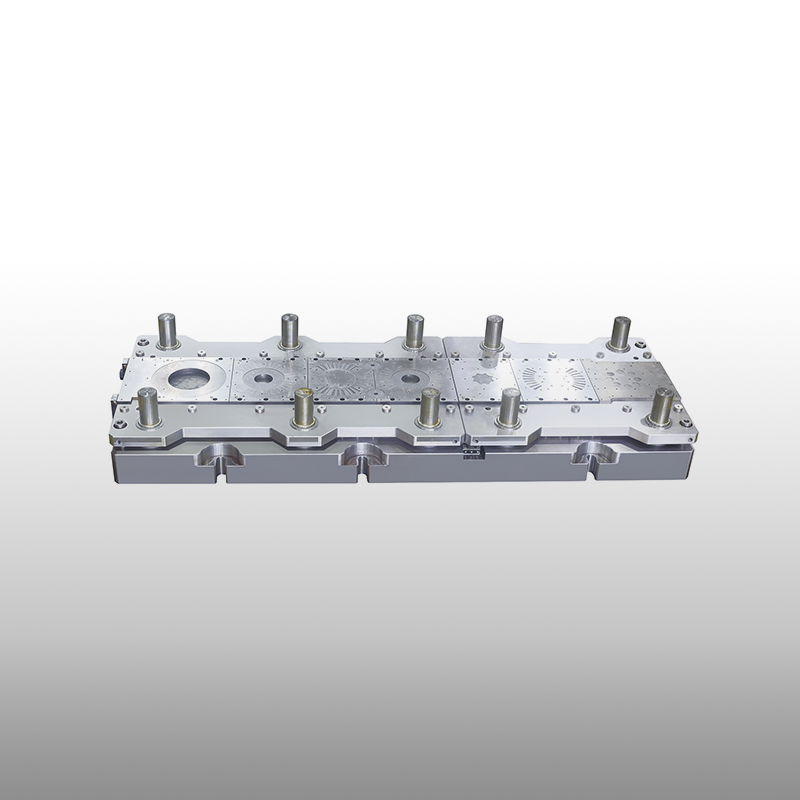
For many industrial products, shape complexity is no longer simple. Components may include thin walls, curved edges, detailed surfaces, or tight dimensional demands. In these situations, Mold Customization helps manufacturers build tooling around the actual application rather than trying to force a standard solution into a non-standard product.
This is why working with a professional Mold Customization Factory is often a practical step for companies developing new parts, upgrading old tooling, or improving existing production flow.
Many production issues do not start on the assembly line. They start much earlier, often in the tooling stage. A mold that is not aligned with the part structure can create repeated issues throughout the entire manufacturing cycle.
Common pain points include:
These are not unusual problems. They are often signs that the tooling was not developed around the real production conditions.
Mold Customization addresses these issues by shaping the mold around actual product requirements. That includes the geometry of the part, selected raw material, expected output volume, and the production environment. Instead of modifying the product to fit the mold, the mold is developed to fit the product.
This is especially useful for manufacturers handling metal components, industrial parts, structural pieces, and application-specific product designs.
Material selection is often overlooked by non-technical teams, but it strongly affects tooling performance.
For custom metal mold projects, the mold material needs to match the production requirements. Different industrial applications place different demands on the tooling. Some molds need stronger wear resistance. Others need better dimensional stability or better surface processing response.
Common considerations include:
This is especially relevant for manufacturers producing precision industrial parts or complex-shaped components. The wrong material choice can make the mold harder to maintain or less stable during repeated production.
A smoother project usually starts with clearer input. Factories can work more efficiently when the technical information is organized early.
Useful information to prepare includes:
Even if some details are still being finalized, having a clear starting point helps the tooling side respond more accurately.
When the communication is direct and the technical requirements are realistic, the entire Mold Customization process tends to move more smoothly. That helps both the engineering side and the production side stay aligned.
Recommended Products


Sale Precision Stamping Mold Company


 English
 Español
 русский