[email protected]
 Monday to Friday 8 a.m.- 5 p.m.
Call Us +86-13968655659
[email protected] Monday to Friday 8 a.m.- 5 p.m.Industry News
 2026.03.06
 Industry News
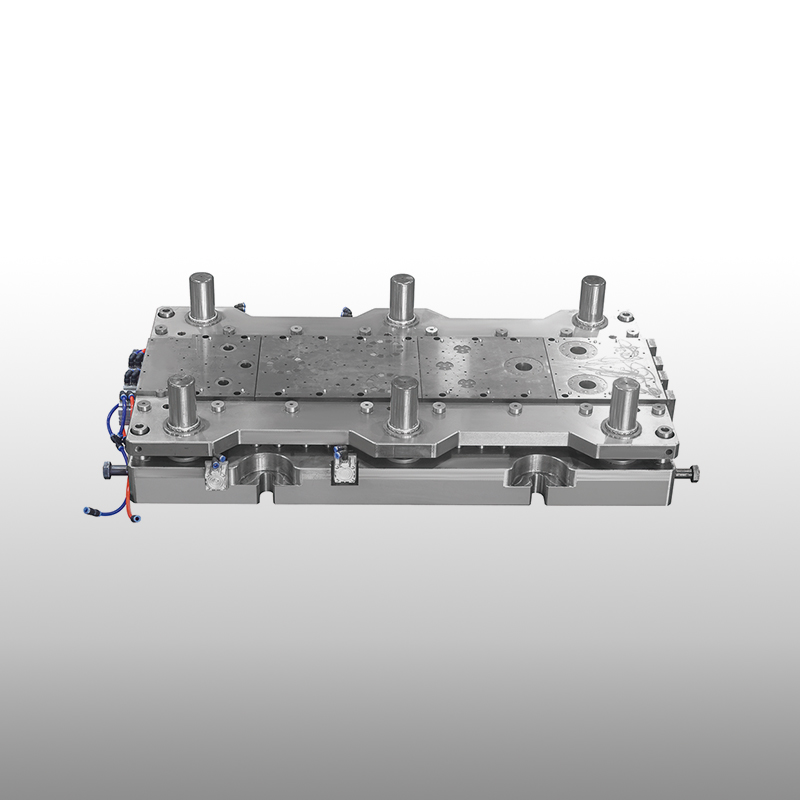
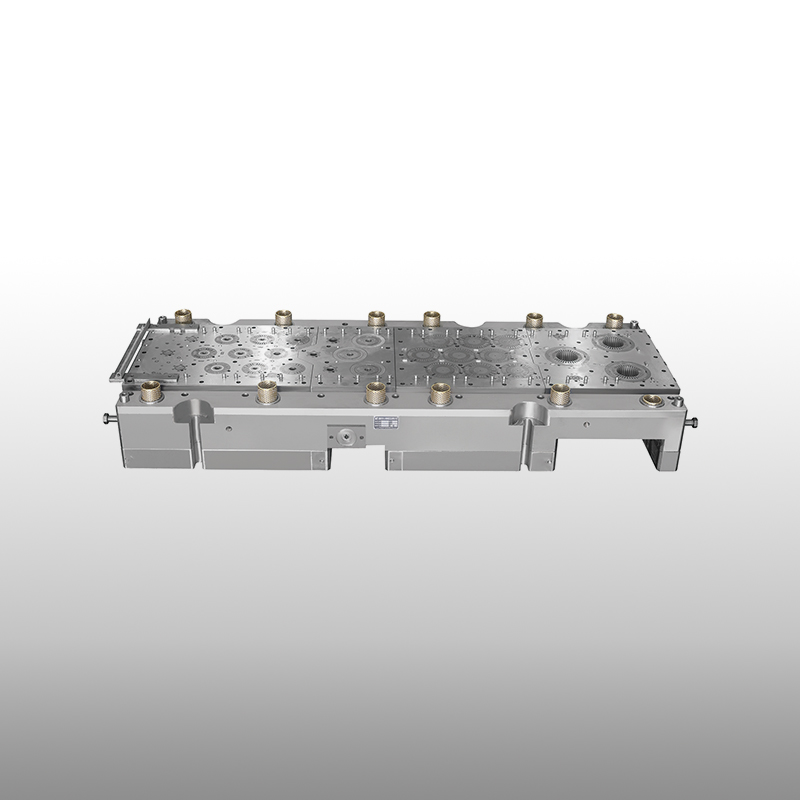
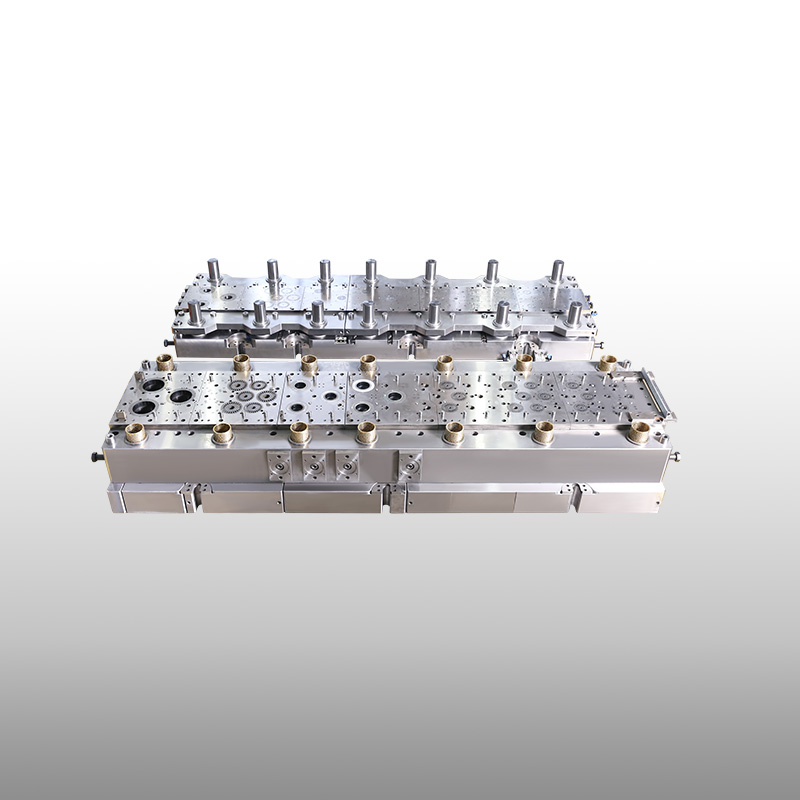
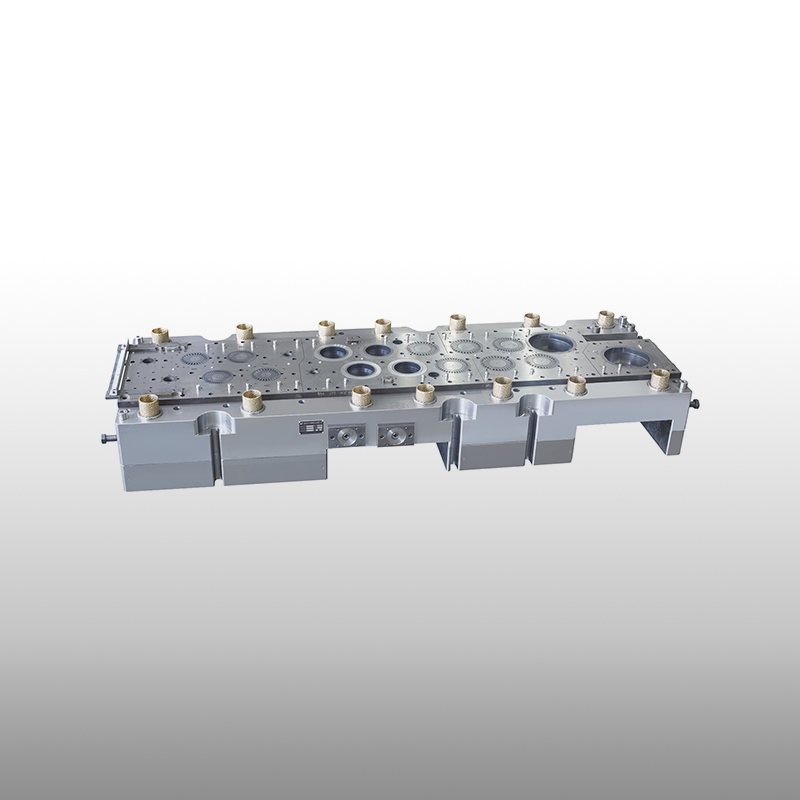
Stamping Die Design plays a central role in sheet metal manufacturing. It directly influences part precision, production rhythm, tooling life, and long-term cost structure. For factories running automotive brackets, appliance housings, or electronic components, die design is not just a technical drawing. It is the foundation of repeatable production.
In real production environments, many issues such as burrs, dimensional deviation, surface scratches, or unstable feeding can often be traced back to early design decisions. Working with an experienced Stamping Die Design Manufacturer reduces trial-and-error during mass production and supports smoother project transitions from sampling to volume output.
Dimensional consistency depends heavily on die clearance, punch alignment, and guiding mechanisms. Too much clearance causes burrs and poor edge quality. Too little clearance accelerates tool wear and increases stress.
An experienced Stamping Die Design Manufacturer calculates proper clearance based on material properties and expected production cycles. The guiding system must also be rigid enough to prevent offset during high-speed operation.
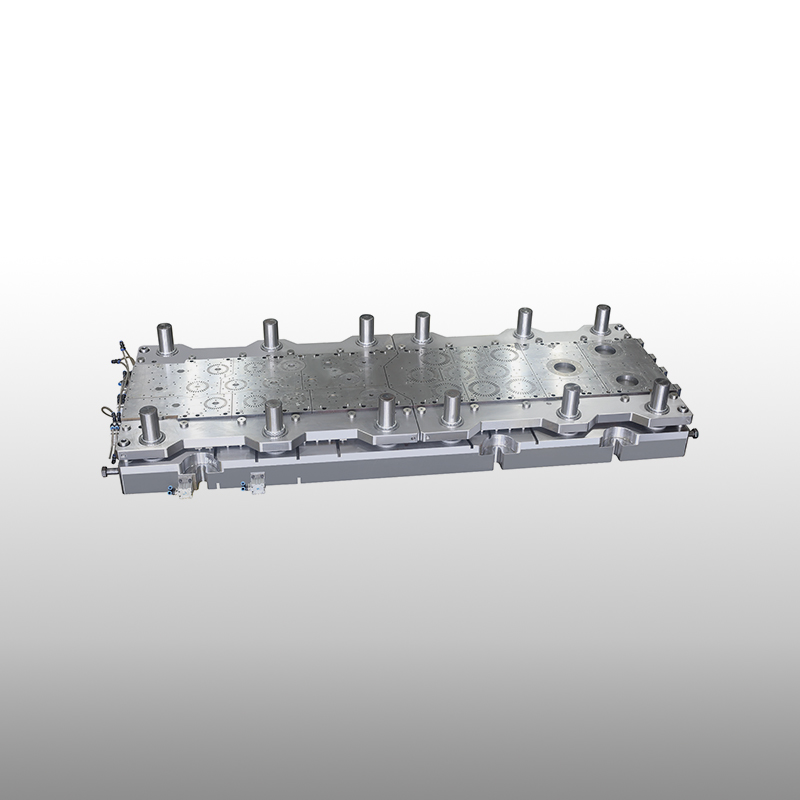
Another key factor is springback control. Certain metals, especially high-strength steel, tend to recover slightly after forming. Proper die compensation during design helps maintain final dimensions within the required tolerance.
Different materials behave differently under pressure. Stainless steel, aluminum alloys, and carbon steel each require specific clearance and forming strategies.
For example:
A professional Stamping Die Design Manufacturer evaluates these factors before finalizing drawings. Tool steel selection for punches and dies also affects durability and maintenance intervals.
Complex parts often benefit from progressive die structures. Multiple operations such as punching, bending, and trimming can occur within one continuous process.
However, progressive dies require precise alignment and higher design complexity. When part quantity is moderate or design changes are frequent, single-operation dies might offer more flexibility.
Over time, production requirements may change. Higher output, new materials, or tighter tolerances may expose limitations in older tooling.
Signs that an upgrade is necessary include:
Working with a reliable Stamping Die Design Manufacturer helps analyze whether a modification or a complete redesign is more practical.
Mold customization supports specific industrial requirements. Whether dealing with automotive components or appliance housings, each project has unique technical demands.
Custom metal mold experience contributes to:
Factories that integrate mold customization early in development often experience smoother transitions from prototype to mass production.
Stamping Die Design is not only about shaping metal. It represents the connection between engineering theory and real production conditions. Each clearance setting, guiding choice, and material selection influences the performance of the entire manufacturing line.
Collaborating with a capable Stamping Die Design Manufacturer supports consistent output, controlled maintenance planning, and stable product quality across production cycles.
In industrial manufacturing, stable tooling builds confidence in delivery schedules and product performance. Thoughtful die design remains a key factor behind that stability.
Recommended Products


Sale Precision Stamping Mold Company


 English
 Español
 русский