[email protected]
 Monday to Friday 8 a.m.- 5 p.m.
Call Us +86-13968655659
[email protected] Monday to Friday 8 a.m.- 5 p.m.Industry News
 2026.03.13
 Industry News
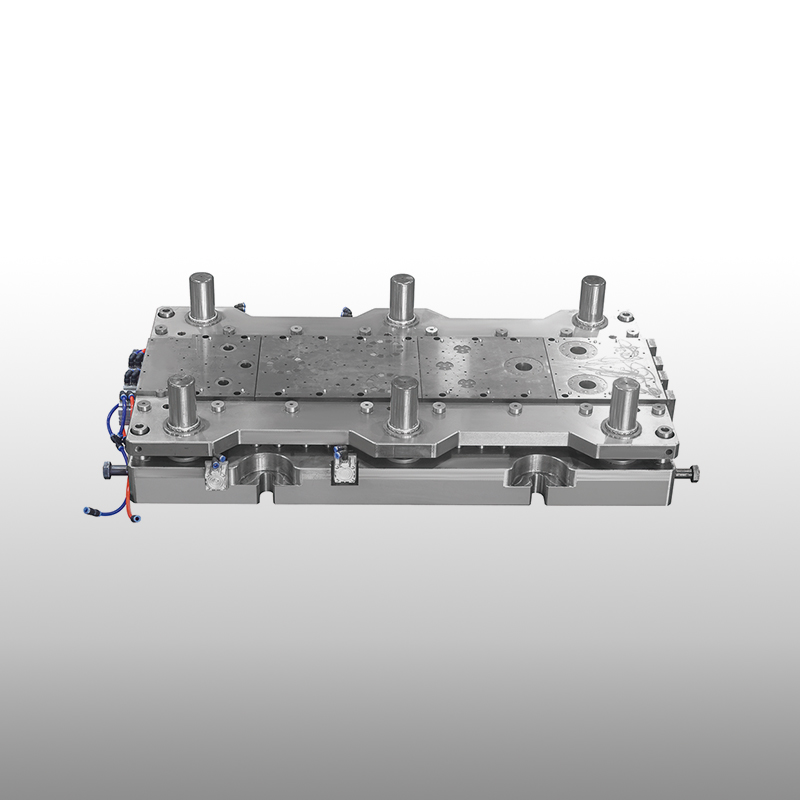
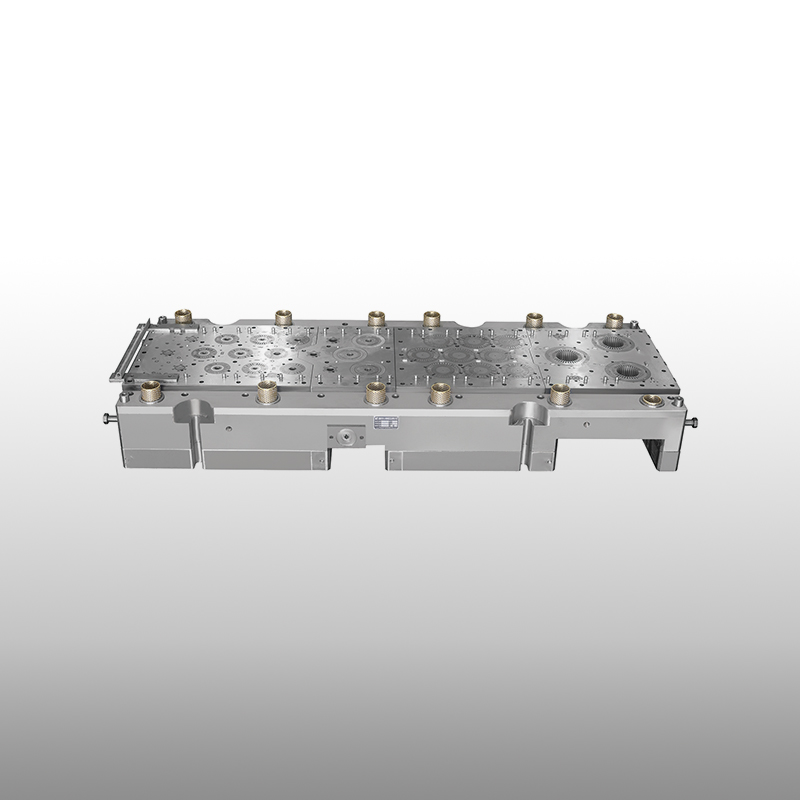
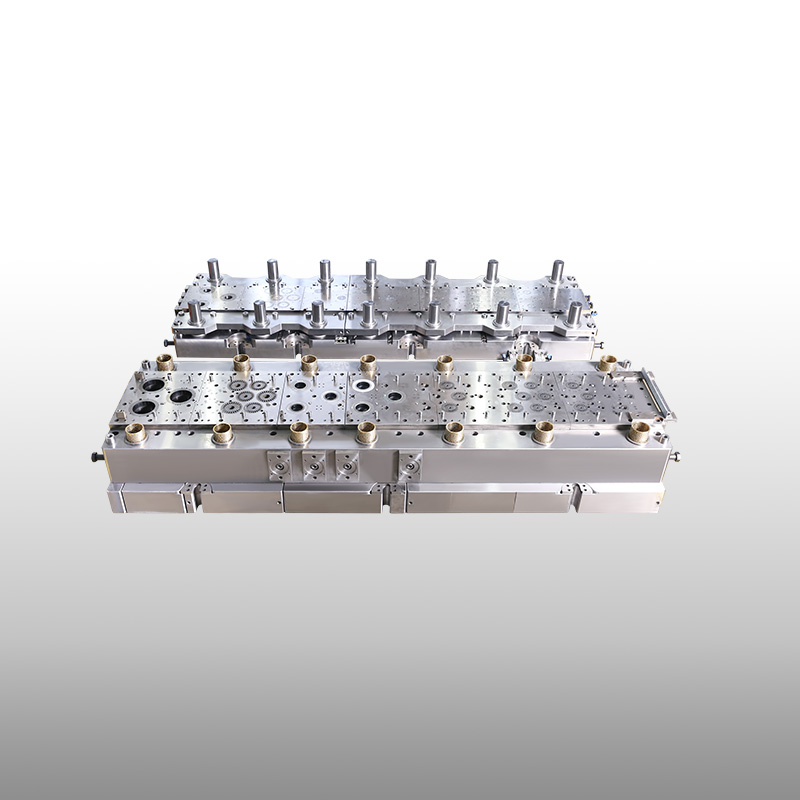
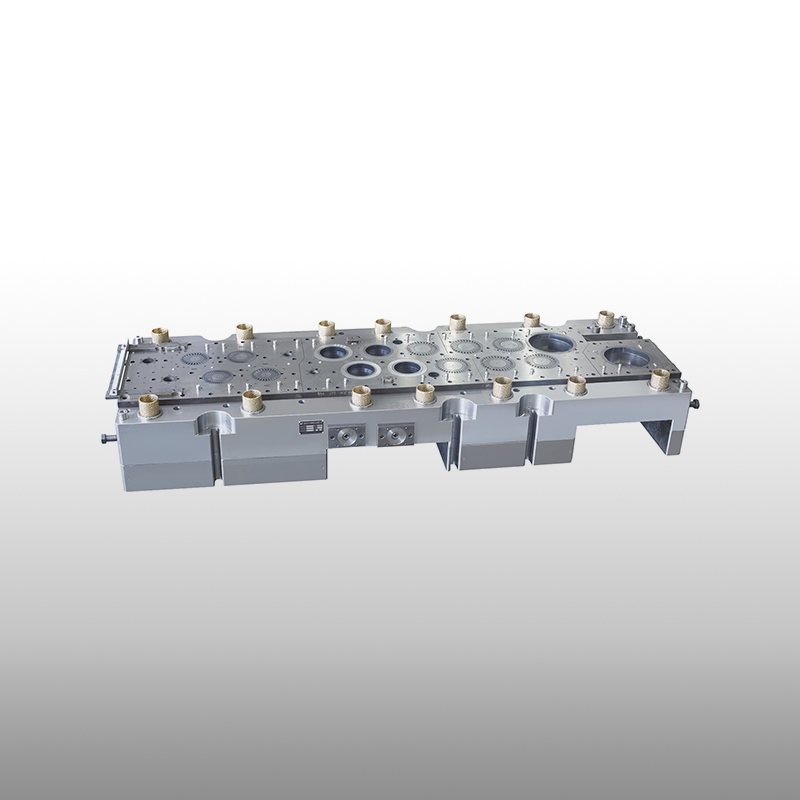
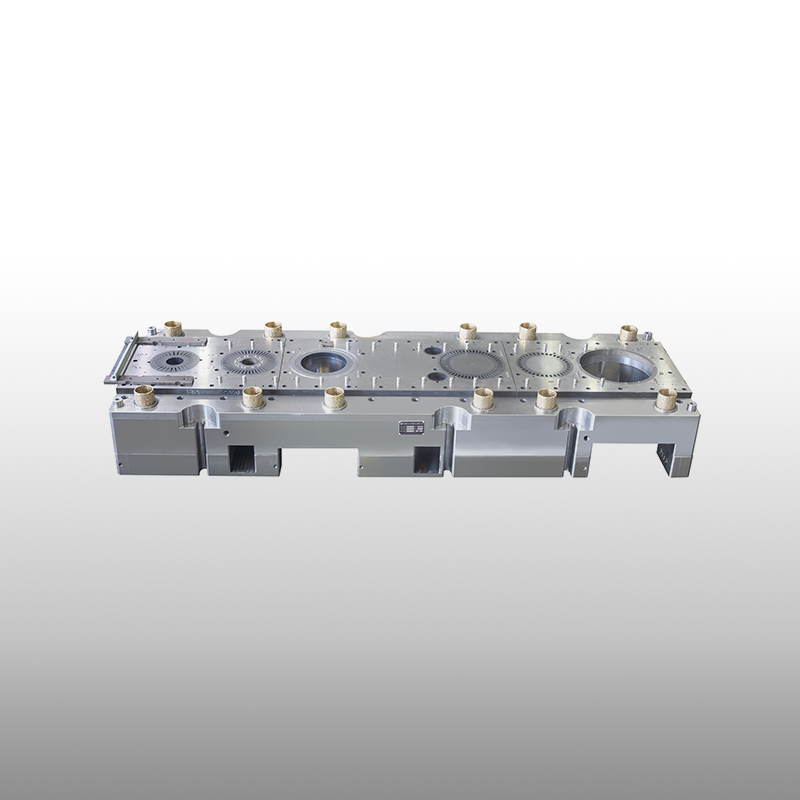
Metal components are everywhere—from automotive brackets to electronic housings. Behind these parts stands a well-designed Stamping Mold, a core tool that shapes sheet metal into consistent, functional products. In industrial production, accuracy, durability, and efficiency matter at every stage. A mold that performs steadily under pressure plays a direct role in output stability and long-term operational cost.
A professional Stamping Mold Manufacturer understands that every project carries unique dimensional tolerances, material properties, and production volumes. Standard solutions rarely match complex industrial requirements. Customization, structural strength, and material selection all influence mold performance in real production environments.
Dimensional consistency is a common concern in metal stamping operations. Even minor deviations in mold structure can cause burrs, cracking, or deformation in finished parts. Over time, repeated stress may increase tool wear and affect alignment.
A properly engineered Stamping Mold focuses on:
Precision machining combined with controlled heat treatment improves mold hardness and wear resistance. This helps maintain dimensional stability throughout extended production cycles.
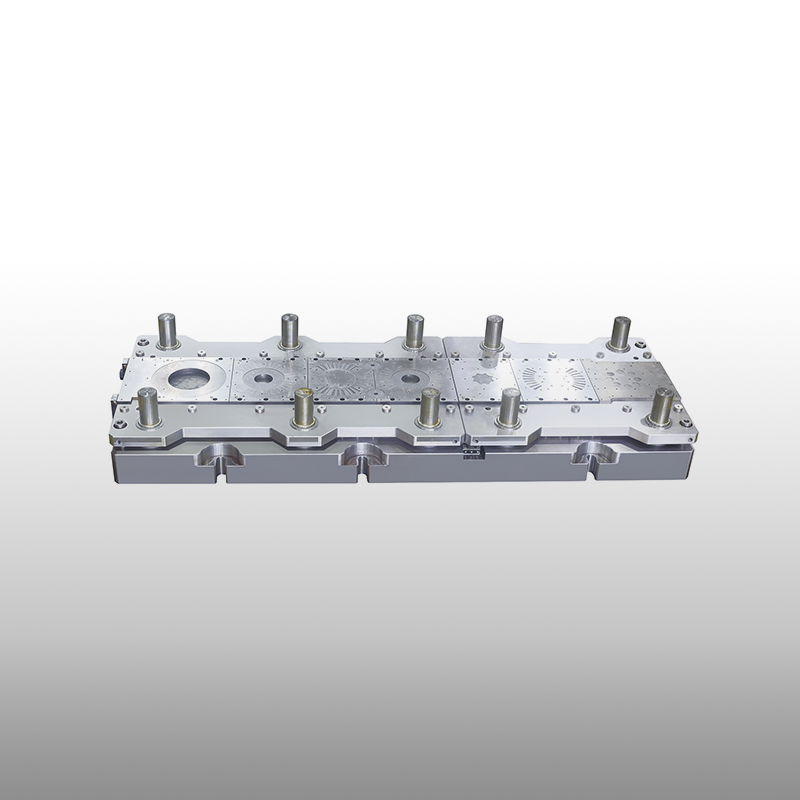
An experienced Stamping Mold Manufacturer typically integrates CNC machining, EDM processing, and strict inspection procedures to maintain tight tolerances. These technical steps reduce rework rates and improve part consistency.
Different industries have different part structures. Automotive components may require reinforced ribs and structural strength. Electronics housings may focus on thin-wall precision. Aerospace parts often demand complex geometries.
Mold customization services support both prototype development and large-scale production. During early-stage sampling, design adjustments can be implemented quickly, shortening development cycles.
Instead of forcing production around a standard tool, companies benefit from working with a Stamping Mold Manufacturer that tailors each solution to project specifications.
Material choice directly affects mold longevity. Tool steels and alloy steels are commonly used depending on stamping pressure and production frequency.
Key considerations include:
A well-built Stamping Mold balances hardness and flexibility. Excessive hardness may increase cracking risk, while insufficient hardness accelerates wear.
Manufacturing environments that involve high-tonnage presses require reinforced mold bases and stable punch assemblies. Proper structural engineering reduces maintenance intervals and maintains operational stability.
Production demands evolve. Higher output requirements, new material grades, or design revisions may require mold modification.
Rather than continuing short-term repairs, investing in a redesigned Stamping Mold can restore efficiency and improve part quality consistency.
Collaborating with a skilled Stamping Mold Manufacturer allows technical evaluation of existing tools and practical recommendations for structural improvements.
Custom metal molds remain central to industrial manufacturing. From automotive brackets to consumer hardware, production reliability depends heavily on tool accuracy and durability.
Mold customization services provide flexibility across various industrial sectors. By adjusting structural design, material choice, and processing methods, manufacturers can adapt to changing production goals.
A capable Stamping Mold Manufacturer combines engineering knowledge with manufacturing experience. This integration supports efficient mold fabrication, practical design adjustments, and consistent performance during operation.
Precision tooling is not just about shaping metal; it is about building stable production systems that support long-term manufacturing growth.
Recommended Products


Sale Precision Stamping Mold Company


 English
 Español
 русский