[email protected]
 Monday to Friday 8 a.m.- 5 p.m.
Call Us +86-13968655659
[email protected] Monday to Friday 8 a.m.- 5 p.m.Industry News
 2026.03.20
 Industry News
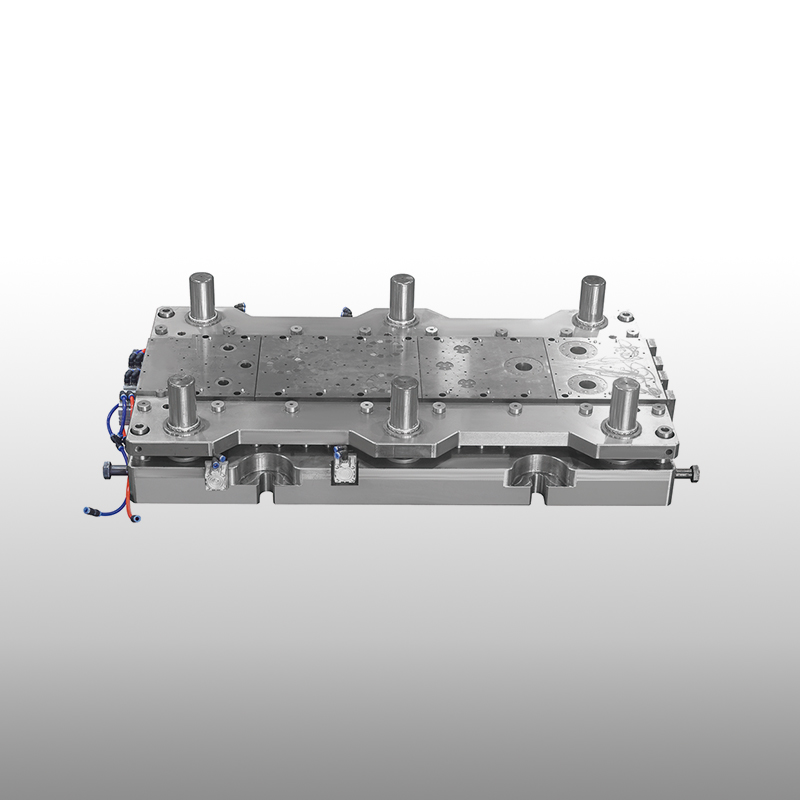
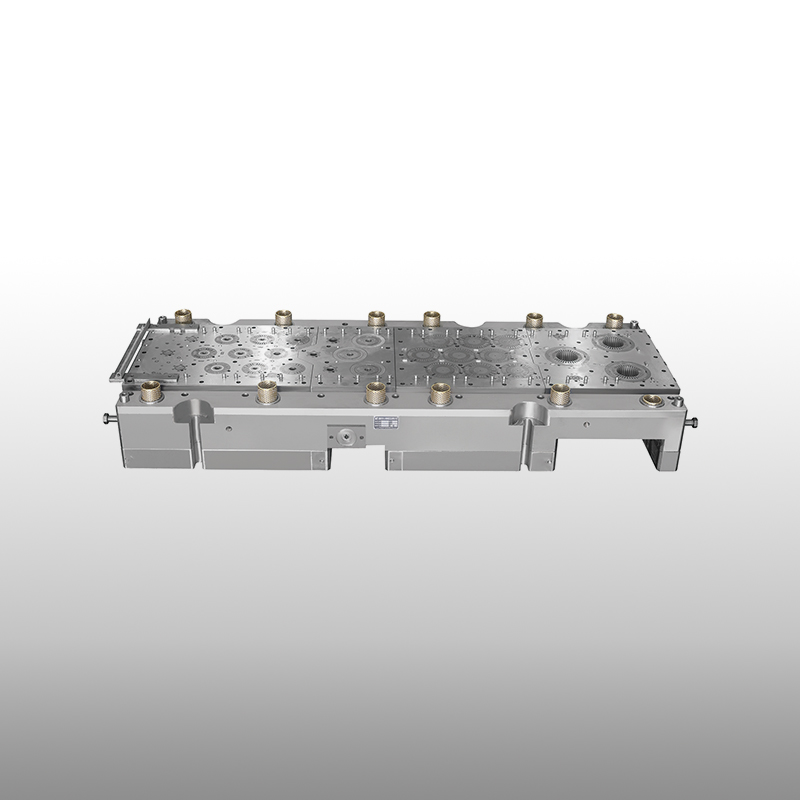
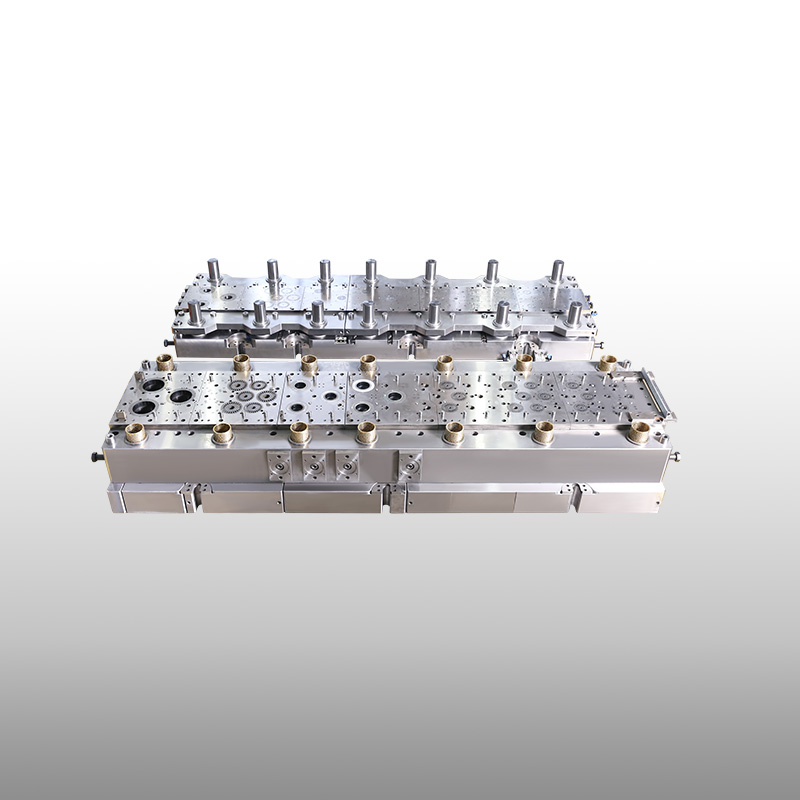
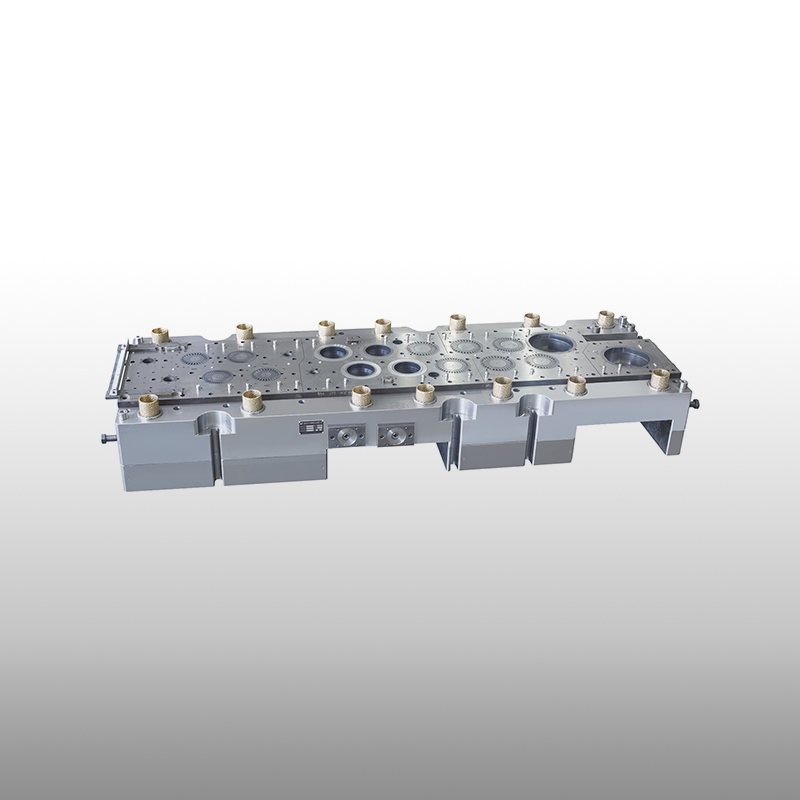
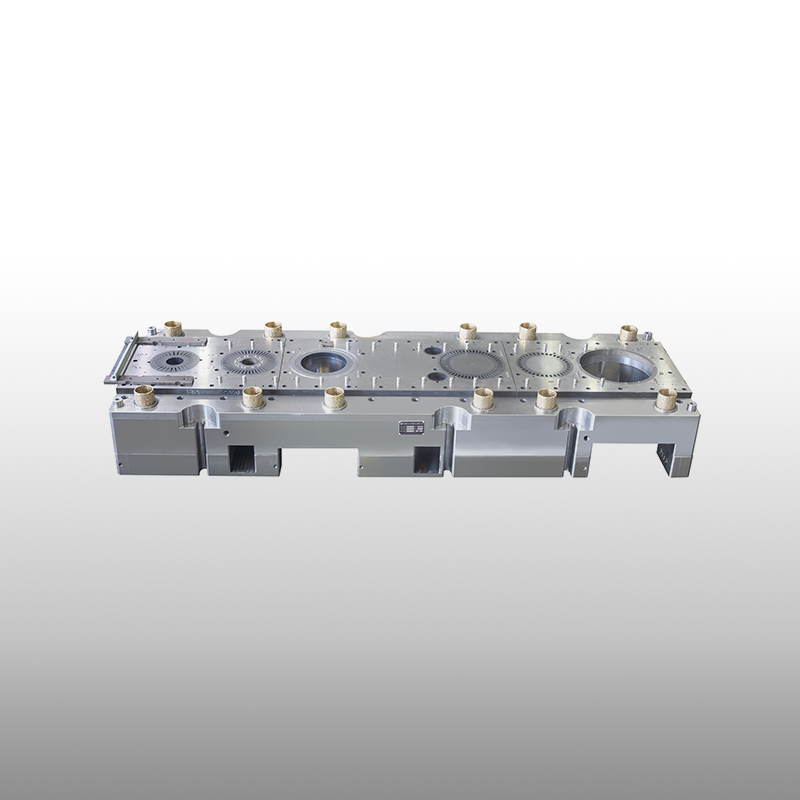
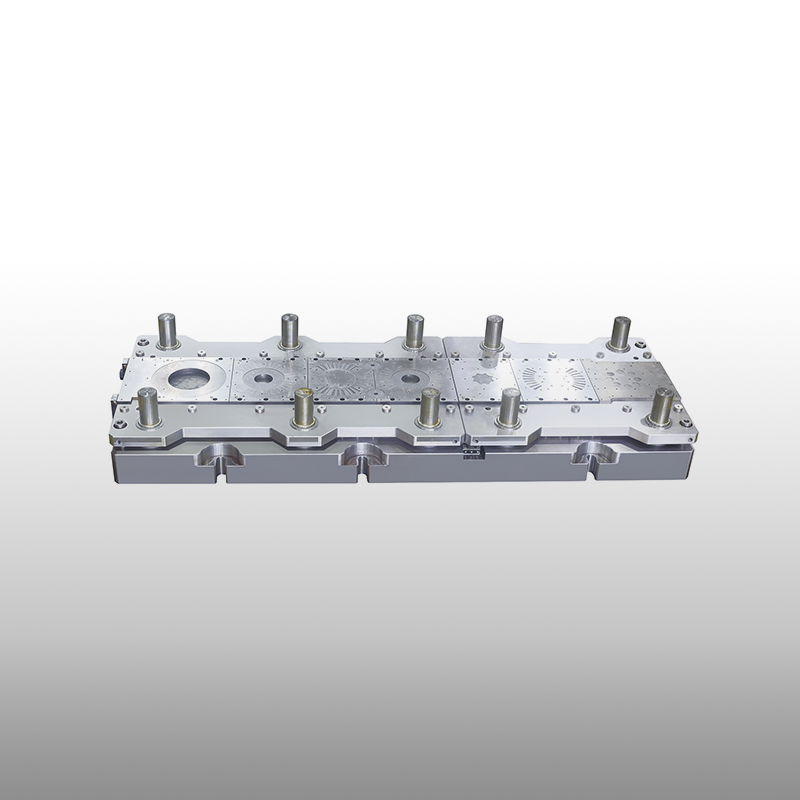
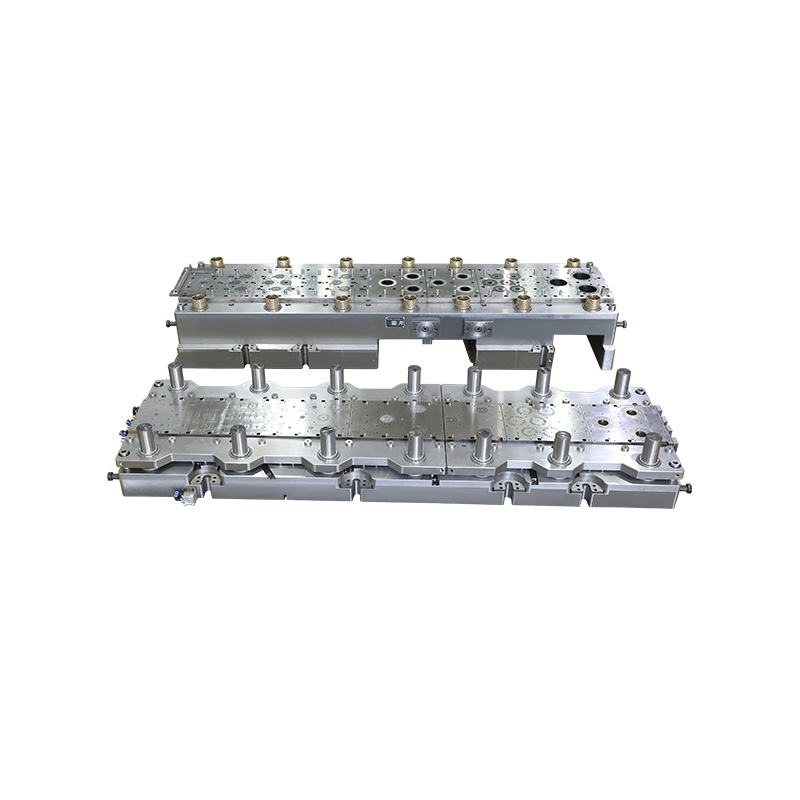
Manufacturing today requires precision, repeatability, and flexibility. A well-designed Custom Metal Mold plays a central role in meeting these expectations. Whether used for injection molding, die applications, or stamping, molds directly affect part quality, production rhythm, and cost control.
Many production challenges come from standard tooling that does not fully match the product structure. That is where cooperation with an experienced Custom Metal Mold Manufacturer becomes valuable. Tailored mold development allows factories to adapt to real production conditions rather than adjusting products to fit existing tools.
Custom molds are widely applied across sectors where precision components are required.
In automotive and aerospace fields, tolerances are often tight, and consistency across batches matters. A Custom Metal Mold built for these applications must withstand repeated cycles without deformation.
Stainless steel and alloy tool steels are frequently selected when corrosion resistance or structural strength is required. In some applications, stainless steel molds are used for environments exposed to moisture or chemicals, supporting long-term durability.
How Material Selection Impacts Mold Life
Material choice determines how a Custom Metal Mold performs under pressure and temperature changes. Common materials include:
Tool steel for high-strength applications
Alloy steel for balanced hardness and machinability
Each material has different machining characteristics and heat treatment requirements. Matching material to product output volume and processing conditions helps stabilize production and reduce downtime.
For example, molds used in humid or chemical-contact environments benefit from stainless steel construction. This reduces surface oxidation and maintains cavity finish over time.
How Customization Reduces Waste
Standard molds may require post-processing adjustments due toan imperfect fit with product geometry. Reworking parts increases scrap rates and labor time.
A properly designed Custom Metal Mold aligns cavity dimensions directly with product drawings. When tolerances are built into the mold structure itself, part rejection decreases. Less rework also means shorter production cycles.
Gating systems and flow channels can be optimized during customization. Balanced flow improves material distribution and reduces uneven filling, which often causes cosmetic defects.
Factories often start with modified standard molds. Over time, increased order volume or new product designs may expose limitations such as:
Upgrading to a fully Custom Metal Mold becomes practical when product specifications evolve or annual output grows. A new mold built specifically for updated drawings supports stable performance without repeated adjustments.
Long-Term Manufacturing Planning with Custom Mold Solutions
Custom tooling is not only about immediate production. It supports strategic planning as well. When molds are designed with future expansion in mind, companies can:
A reliable Custom Metal Mold Manufacturer considers scalability during initial design. Replaceable inserts and modular components allow adjustments without building an entirely new mold.
A Custom Metal Mold directly influences production accuracy, operational rhythm, and long-term stability. From material selection to tolerance control, each technical decision shapes manufacturing results.
Working with an experienced Custom Metal Mold Manufacturer provides structured development, practical design evaluation, and controlled machining processes. Instead of adapting production around standard tooling, customized molds align with real product requirements and evolving industrial demands.
In competitive manufacturing environments, mold customization supports consistent output, reduced waste, and scalable growth through practical engineering solutions.
Recommended Products


Sale Precision Stamping Mold Company


 English
 Español
 русский