[email protected]
 Monday to Friday 8 a.m.- 5 p.m.
Call Us +86-13968655659
[email protected] Monday to Friday 8 a.m.- 5 p.m.Industry News
 2026.05.22
 Industry News
Walk into almost any mid-sized stamping shop today, and you will hear the same thing: standard tooling often creates more problems than it solves. Off-the-shelf dies force production teams to compromise on part geometry, material choice, or cycle time. That is why a growing number of manufacturers now ask for custom stamping dies right from the quotation stage.
This article explains what drives that shift and how a properly designed custom stamping die changes daily production for the better.
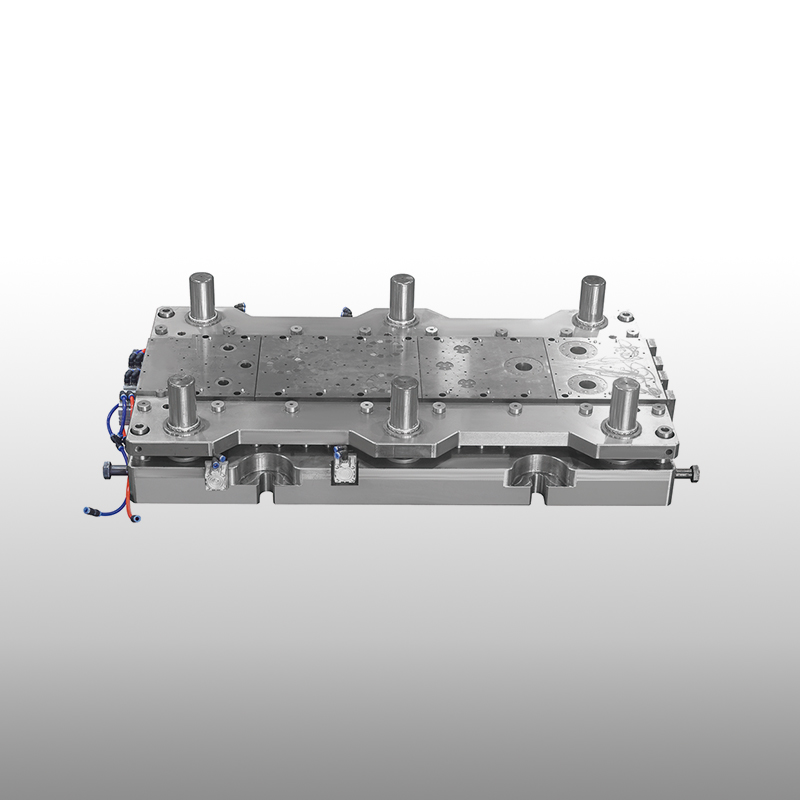
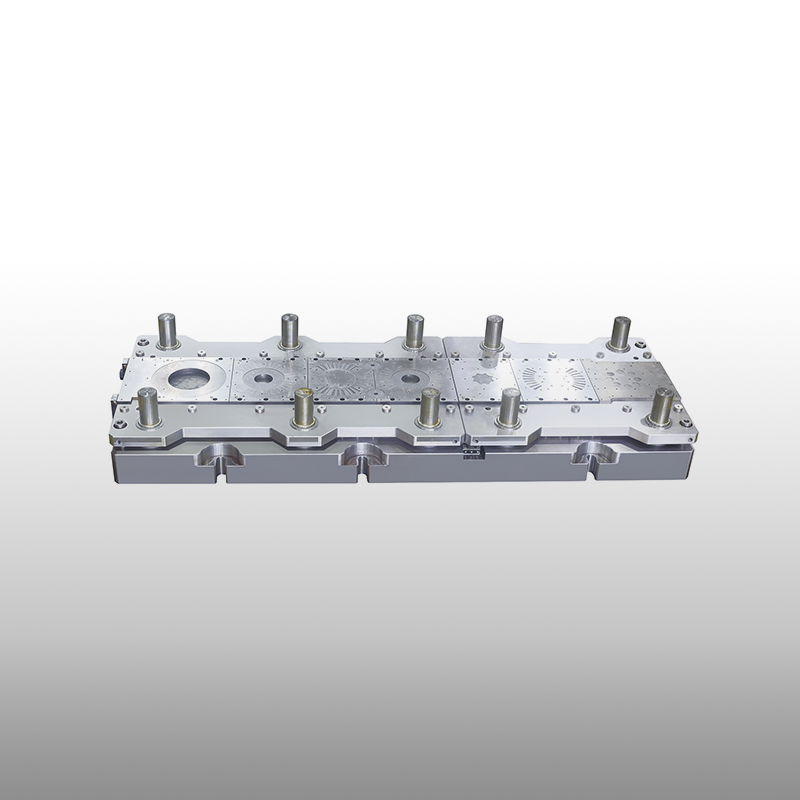
Every stamped component has its own personality. Some need extremely tight corner radii. Others require specific grain direction or burr height limits. A standard mold cannot handle all these variations well. A set of custom stamping dies starts from your product drawing, not from a generic catalog.
Engineers look at material type, thickness, annual volume, and press characteristics. They decide where to put pilots, how to sequence cuts, and where to add wear inserts. The result fits your press and your quality targets. No forcing a round part through a square hole.
Buyers who switch to custom stamping dies often report fewer setup headaches. Operators spend less time shimming or adjusting because the tooling already matches the job. That alone makes the investment worthwhile for many shops.
Precision requirements keep getting tighter. Electric motor laminations now demand clearances measured in microns. Automotive safety components need repeatability across millions of strokes. A standard die might hold tolerances for a while, but not shift after shift.
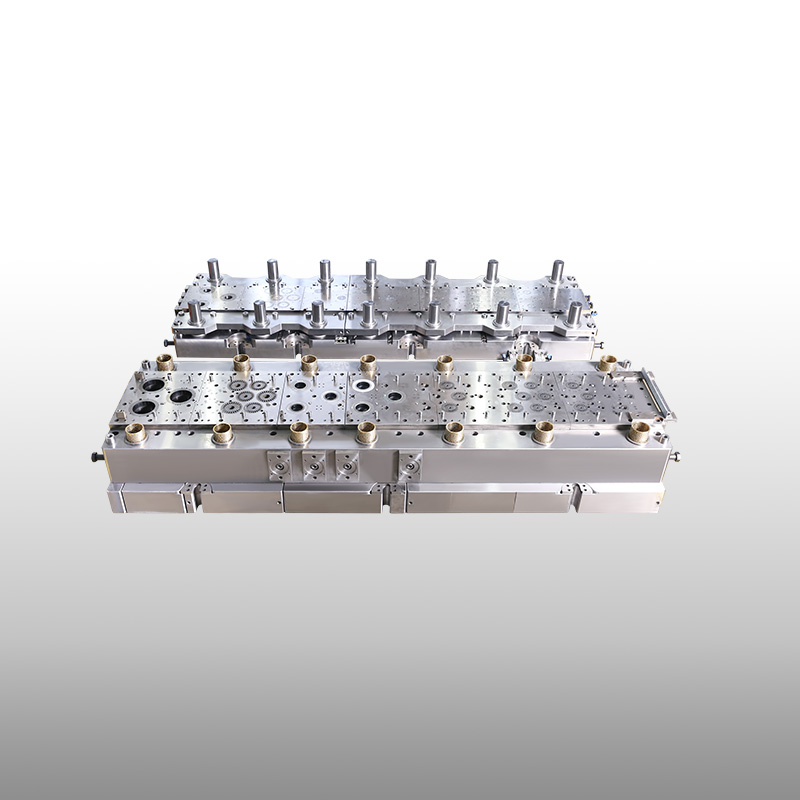
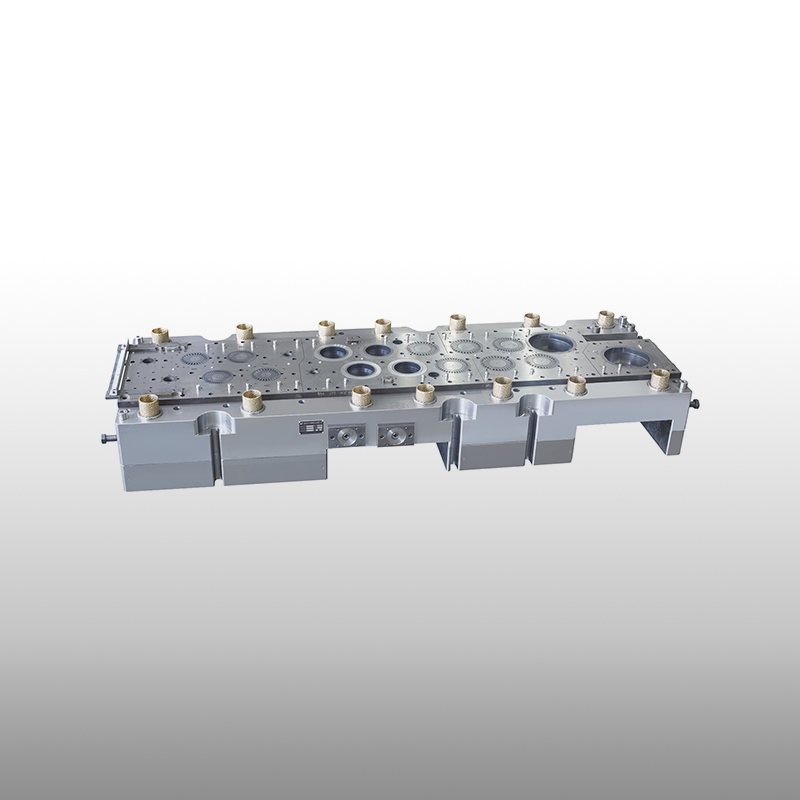
This is where custom stamping dies show their real strength. Since every cutting-edge, guide post, and forming station is placed exactly where your part needs it, dimensional drift stays limited. Progressive dies keep strip alignment consistent from feed to exit.
In real production, better accuracy means fewer rejects. It also means less secondary work. No extra deburring. No re‑sizing stations. Your line runs smoother, and your final assembly sees parts that actually fit.
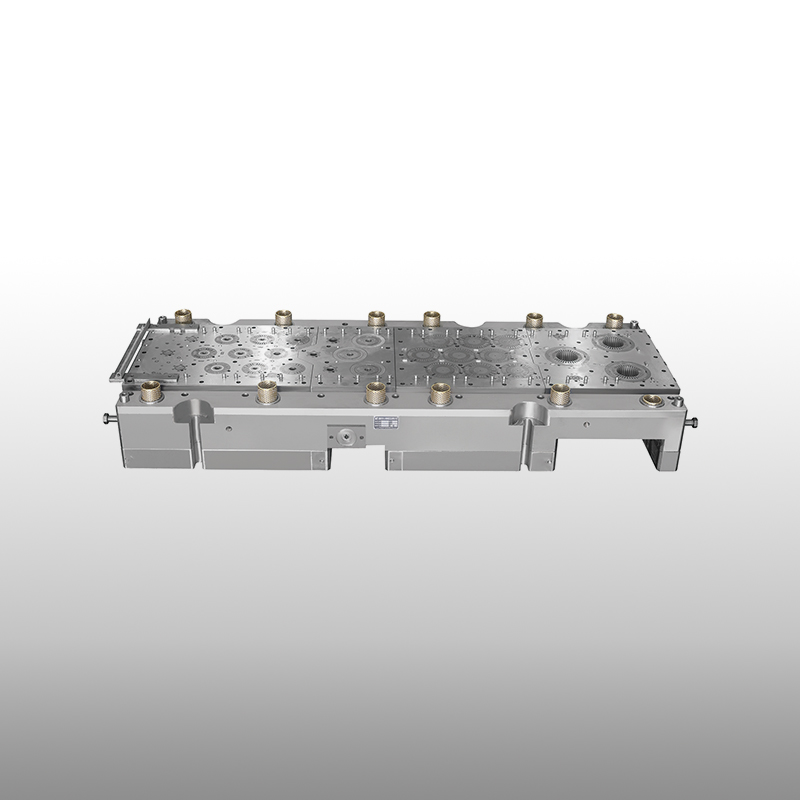
Higher output matters, but not if quality drops. Standard molds sometimes vibrate or overheat at elevated speeds because they were never tuned for your specific strip width or material grade. Custom stamping dies can be designed with optimized clearances, balanced cutting forces, and improved cooling channels.
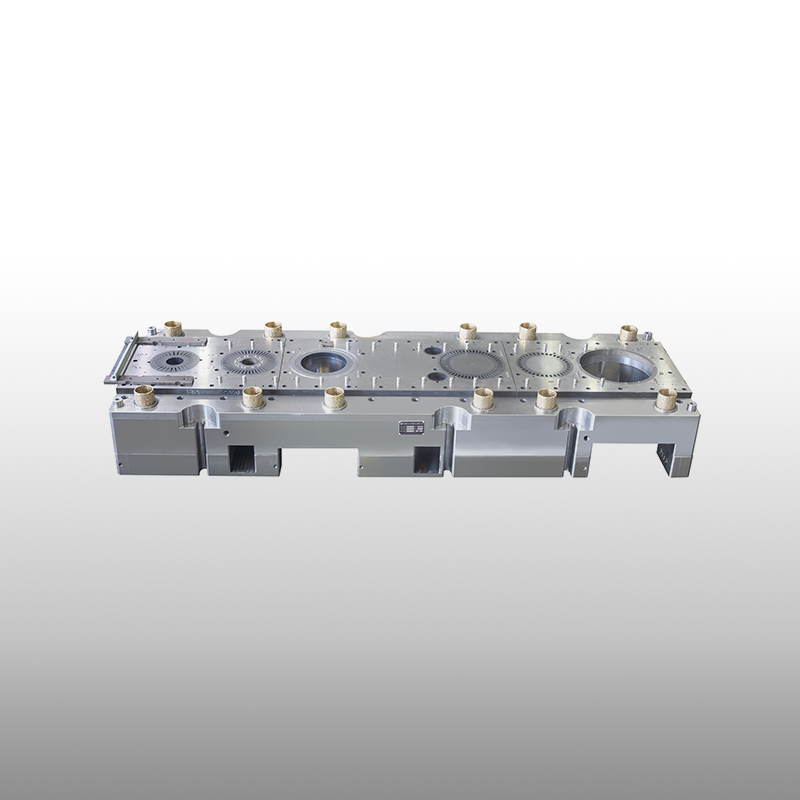
Manufacturers running large volumes of stator and rotor laminations have seen this firsthand. A custom stamping die that matches the press characteristics allows faster strokes without edge burrs or crooked parts. Less downtime for adjustments also means more good parts per shift.
For production managers, this reliability protects delivery promises. When your tooling does not act up on a Friday night rush order, you sleep better.
Electrical steel and other specialty metals are too expensive to throw away. Poor layout in a standard die can leave large scrap skeletons or force you to buy wider coils. Custom stamping dies let you optimize the nesting pattern specifically for your part shape.
Engineers can arrange multiple rows, adjust bridge widths, and position scrap lances exactly where they are needed. Tighter cutting clearances produce cleaner edges, reducing material loss from burr removal. Progressive designs finish parts in one strip without extra handling waste. Over a million parts, these small savings buy another coil or two.
Buyers comparing quotes often focus only on the price. The smarter ones ask about material utilization first. A slightly more expensive custom stamping die that saves 5% of your steel pays for itself quickly.
Nothing kills a production schedule like a broken die. Standard molds sometimes crack or wear unevenly because their design did not anticipate your specific press speed or material hardness. Custom stamping dies use select tool steels and heat treatment matched to your application.
High-wear areas can get carbide inserts. Stress points get reinforced geometry. The result is a custom stamping die that runs millions of strokes between regrinds.
For shops running continuous shifts, this durability is gold. Less scheduled maintenance means more uptime. Fewer emergency repairs mean lower operating costs. Some suppliers even provide spare punches and die sets tailored to your wear patterns, making refurbishment faster.
Automotive. Appliances. Medical devices. Industrial controls. Each sector has different stamping needs. Thin electronics demand delicate edges. Thick truck brackets need brute strength. Custom stamping dies adapt to each world without asking you to redesign your product.
A motor core shop needs tight magnetic gap control. A filter housing manufacturer needs leak‑free formed features. One set of custom stamping dies cannot serve both well. That is why more engineers now specify custom tooling as part of the product development cycle, not an afterthought.
As products become more specialized, standard tooling becomes less useful. The question is no longer "Should we custom build?" but "How quickly can we get the right custom stamping dies into production?" For many manufacturers, the answer is already shaping their next equipment order.
Recommended Products


Sale Precision Stamping Mold Company


 English
 Español
 русский