[email protected]
 Monday to Friday 8 a.m.- 5 p.m.
Call Us +86-13968655659
[email protected] Monday to Friday 8 a.m.- 5 p.m.Industry News
 2026.05.15
 Industry News
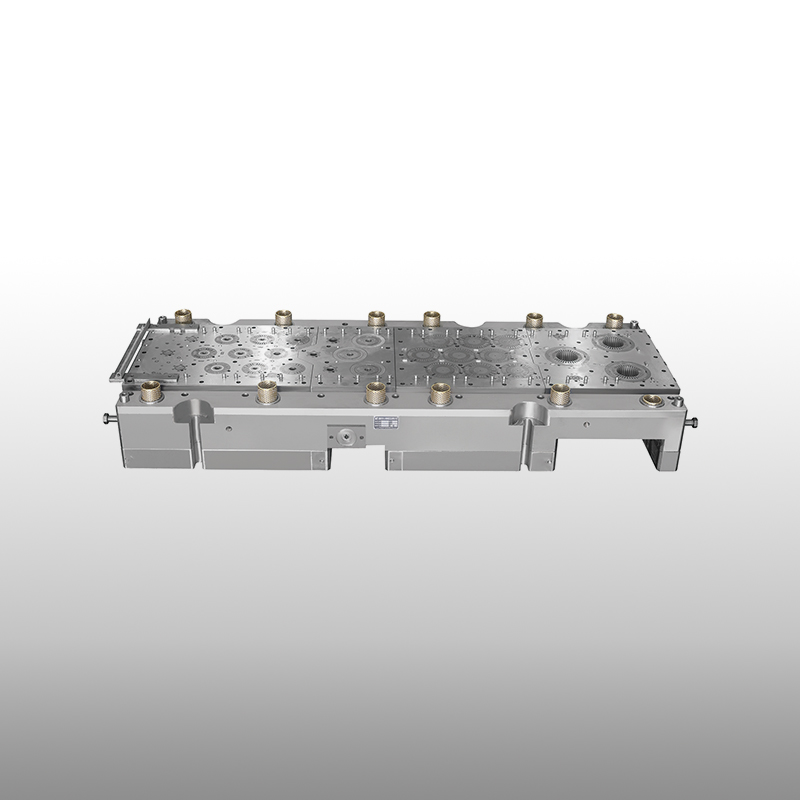
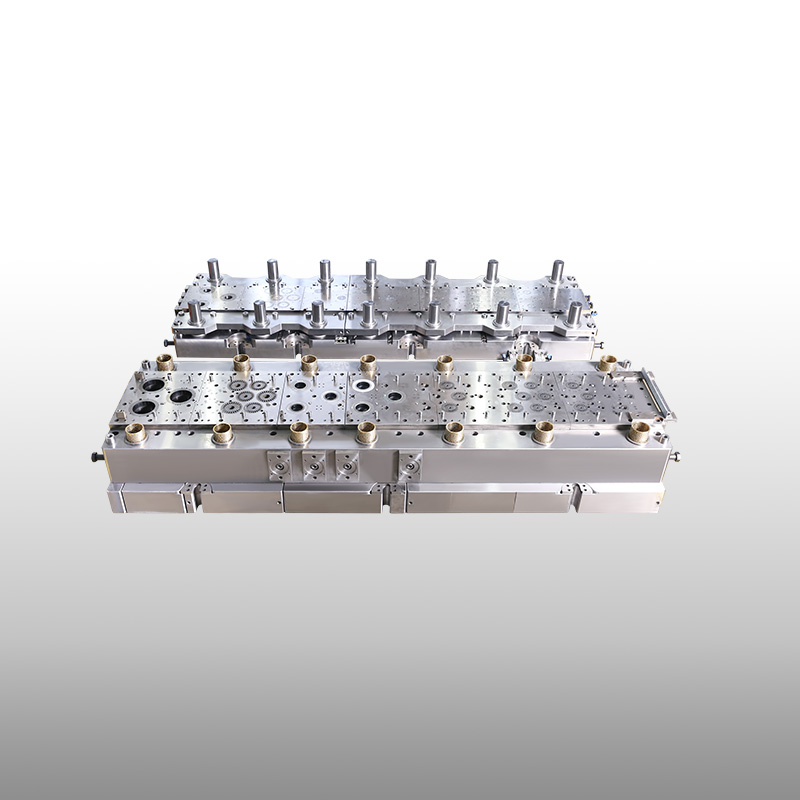
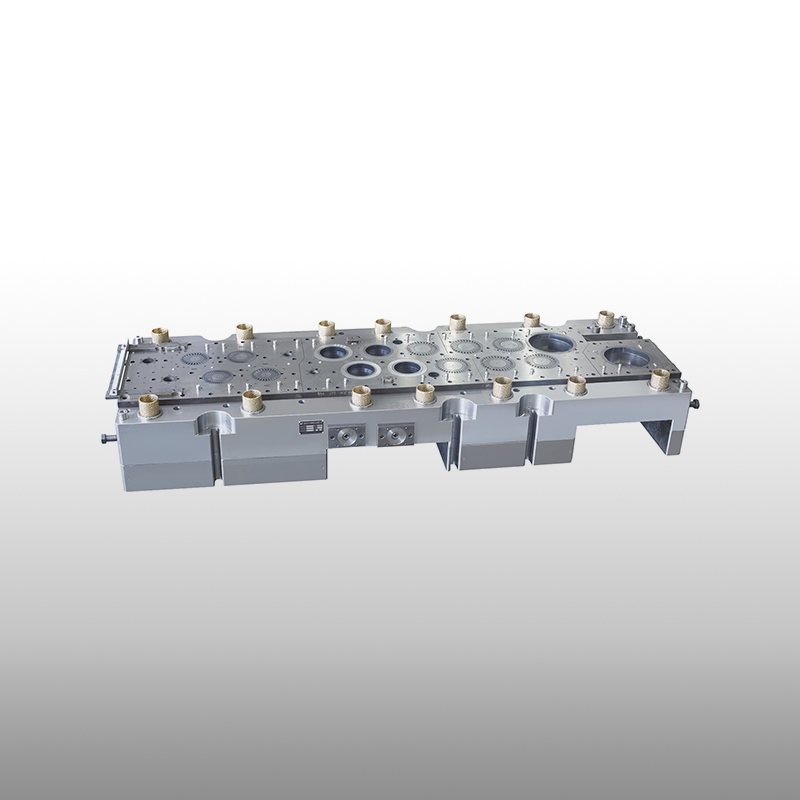
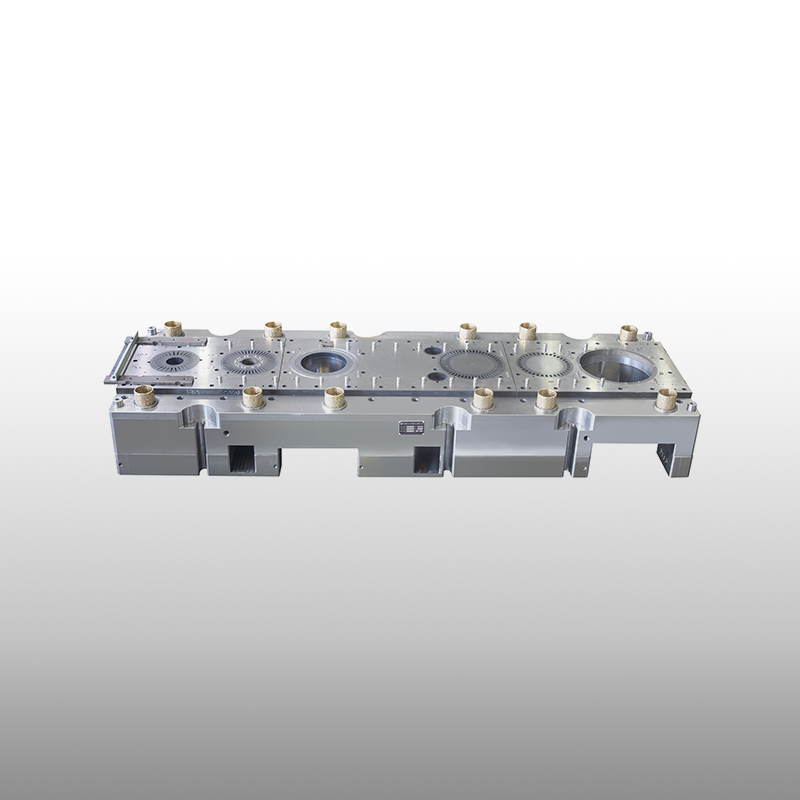
If you run a motor core production line, you already know that small differences add up fast. A tiny shift in lamination size can turn a quiet motor into a noisy, heat‑prone one. That is why the precision stamping die sitting inside your press matters more than many people realize.
This article looks at how the right tooling affects your daily output, your material costs, and the final quality of every motor leaving your factory.
Motor cores need very tight tolerances. The magnetic air gap inside a stator or rotor is small, and any variation changes how the motor performs. Unstable stamping brings about more vibration, more noise, and higher operating temperatures.
A solid precision stamping die keeps dimensions steady, even when your press runs at high speed. It controls the cutting path, holds material in the right position, and shapes each blank with little deviation. As production volumes climb, staying consistent matters even more. A small error repeated a million times creates a mountain of bad parts.
When your precision stamping die works correctly, you spend less time fixing burrs, checking alignment, or reworking parts later. That means lower labor costs and fewer headaches on the assembly floor.
Modern motor core lines run fast. Really fast. Ordinary tooling often starts showing problems after long shifts—edges wear down, clearances drift, and quality suffers. A precision stamping die built for high speeds uses tougher materials and tighter internal fits. It handles continuous operation without losing its cool.
For shops that punch stator and rotor laminations all day, every day, tooling problems kill schedules. Every unplanned stop eats into your delivery promises. A reliable precision stamping die cuts down those interruptions. Operators spend less time adjusting and more time producing. That is a direct win for your bottom line.
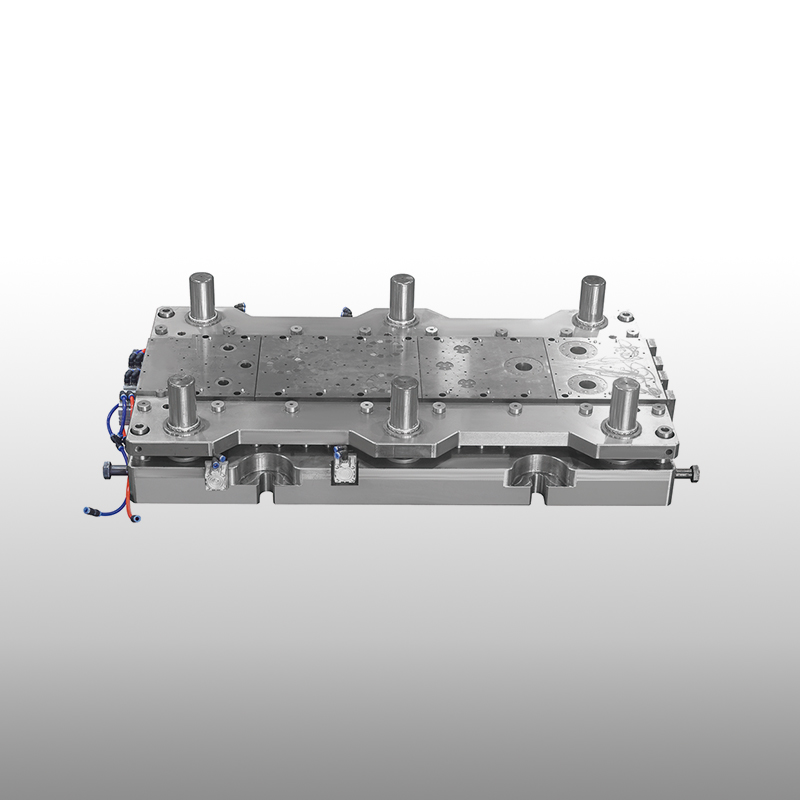
Electrical steel is not cheap. Silicon steel prices keep moving up. If your tooling wastes material, you are throwing money away. A well‑designed precision stamping die makes many of every inch of strip. Progressive die layouts let you complete multiple steps—piercing, blanking, forming—in one steady feed.
Less scrap between parts adds up fast over hundreds of thousands of strokes. Some suppliers will even tweak the precision stamping die layout to match your specific coil width. That reduces skeletal waste. Cleaner cutting edges mean less material loss from deburring. On long production runs, these small savings become real money. Buyers who compare long‑term costs often put material efficiency right next to the die price when making decisions.
Nobody likes stopping a line to fix a die. Frequent maintenance kills productivity. A tough precision stamping die starts with the right steel—sometimes powder metallurgy or carbide in high‑wear spots. Good heat treatment gives hardness without making the tool brittle.
In real factory conditions, a solid precision stamping die can run tens of millions of strokes before needing serious work. That matters for shops running three shifts. Less downtime means more good parts. Some suppliers even offer regrinding schedules and spare part kits to help you stretch tool life further. Fewer backup molds also mean less money tied up in inventory.
Motor makers in electric vehicles, appliances, and industrial equipment all need one thing: repeatability. Part one and part one million should measure the same. A good precision stamping die delivers that. Solid construction and consistent closing forces mean every stroke cuts the same way.
This kind of stability reduces quality checks. Instead of measuring every tenth part, your team can trust the process. Consistent laminations stack evenly, without gaps or pressure points. For energy‑rated motors, stable core dimensions directly affect power output and heat rejection. That is why sourcing the right precision stamping die is a real business decision, not just a purchasing formality.
Not all motors are the same. Small fans. Big industrial drives. EV traction motors. Each needs different lamination shapes, steel thicknesses, and output volumes. A flexible precision stamping die handles this with modular parts or adjustable sections. You might swap a punch set instead of building a whole new die.
Motor technology keeps moving toward higher efficiency and power density. That means more complex stamping jobs. Suppliers who design each precision stamping die around your actual prints help you stay ahead. Special features like flatness control, kept‑low burr heights, or special coatings for running without lubricant all solve real shop floor problems.
At the end of the day, the precision stamping die turns a standard press into a dedicated motor core machine. If you care about quality, cost, and keeping your line running, it is the place to start.
Recommended Products


Sale Precision Stamping Mold Company


 English
 Español
 русский