[email protected]
 Monday to Friday 8 a.m.- 5 p.m.
Call Us +86-13968655659
[email protected] Monday to Friday 8 a.m.- 5 p.m.Industry News
 2026.01.27
 Industry News
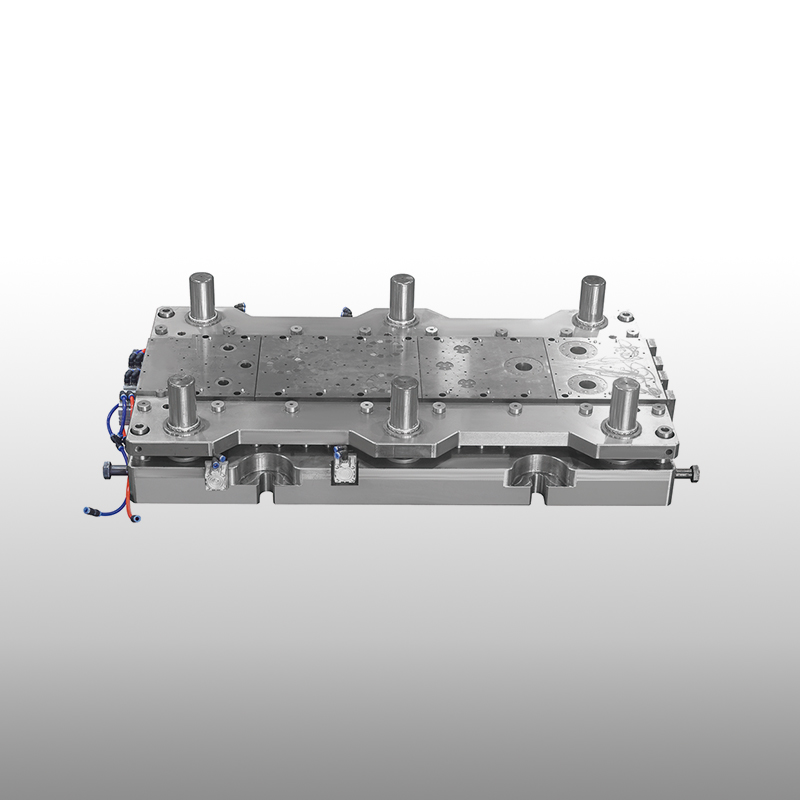
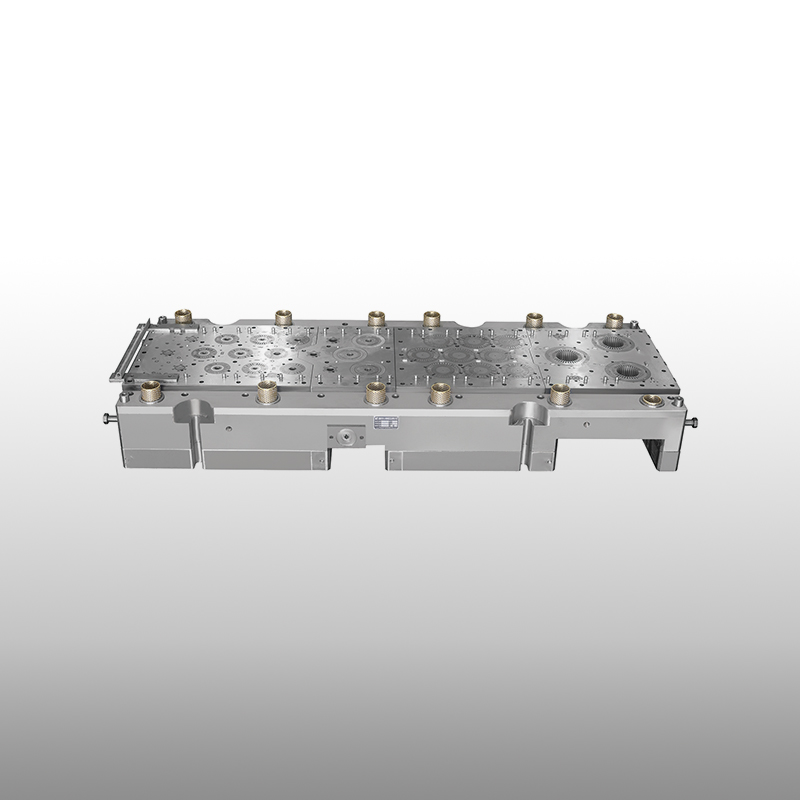
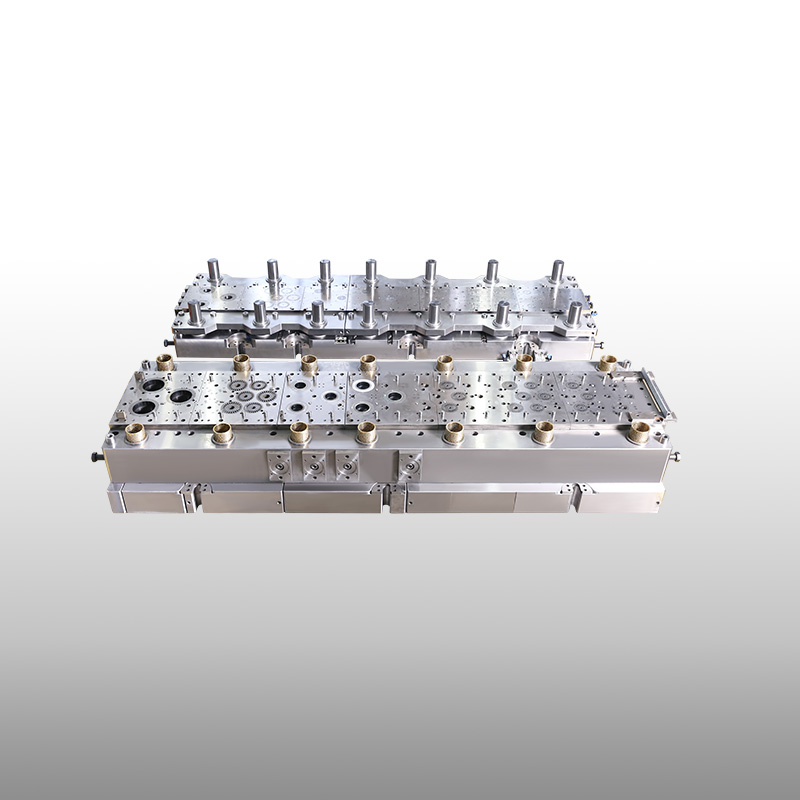
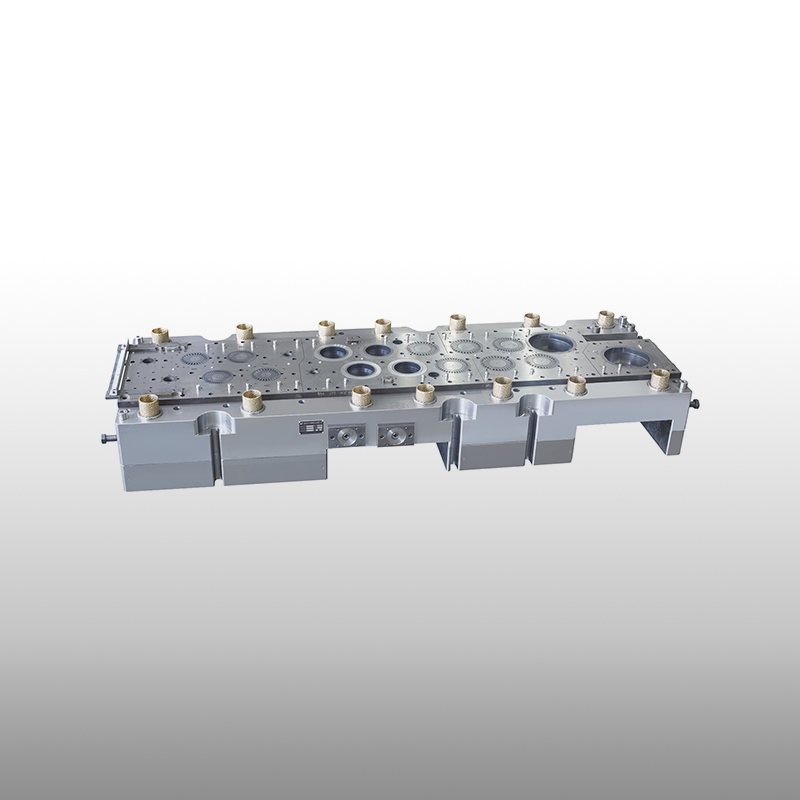
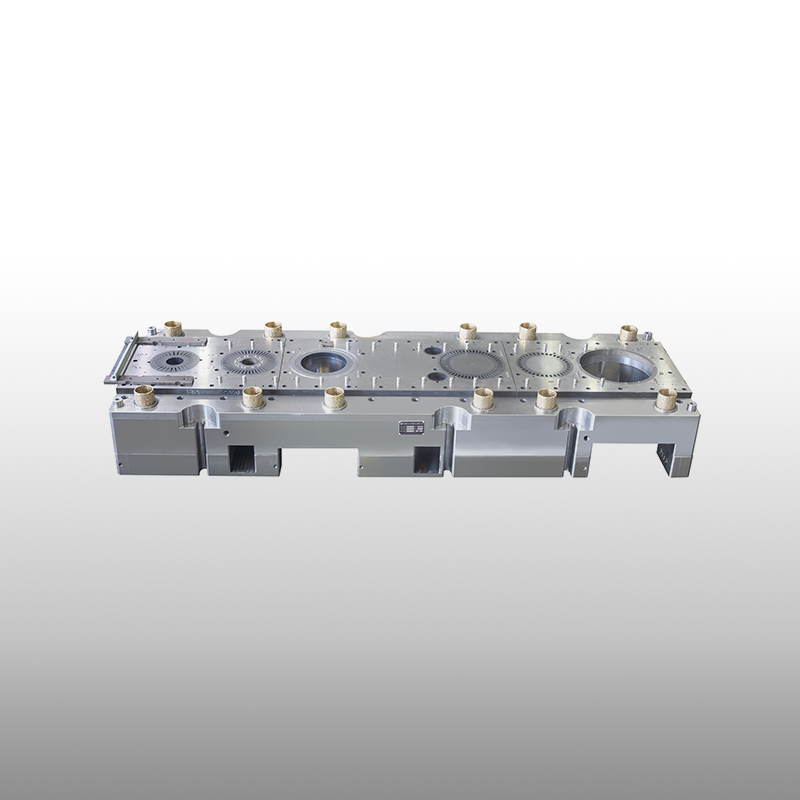
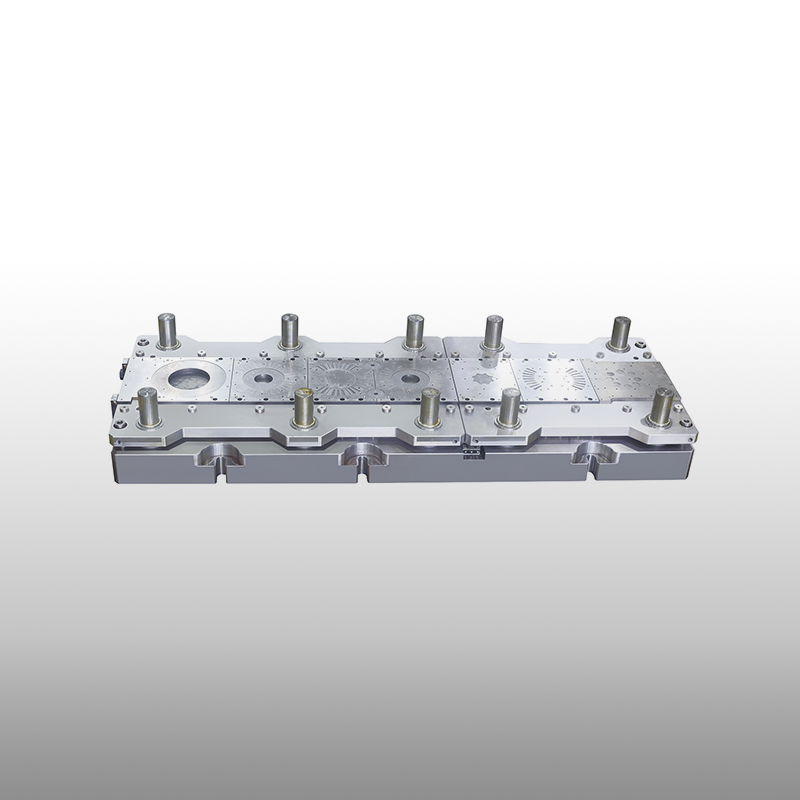
Mold customization plays a key role in shaping raw materials into precise, repeatable parts. Every manufacturing process has its own challenges, and off-the-shelf molds often cannot meet the specific requirements of modern production. A Mold Customization Factory provides molds that are tailored to exact product dimensions, tolerances, and expected production volumes. This level of customization not only improves operational efficiency but also reduces defects and limits rework during production.
Industries such as automotive, aerospace, consumer electronics, and machinery increasingly rely on customized molds to meet both functional and regulatory standards. Custom molds allow manufacturers to produce parts that fit great within assembly lines, reducing delays caused by inconsistent components. By choosing a Mold Customization Factory, companies gain the advantage of molds designed for long-term durability, allowing consistent performance over multiple production cycles.
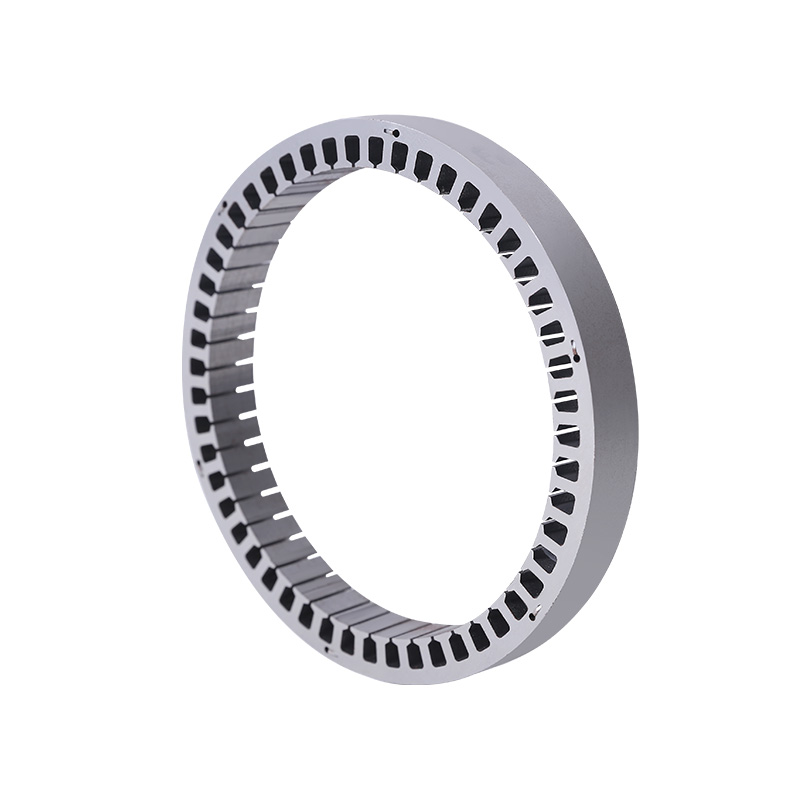
Custom molds also help companies respond faster to changes in product design or production requirements. When a new part is introduced, the ability to adapt molds quickly ensures minimal downtime and smoother transitions between production runs. This flexibility is especially valuable in sectors where innovation and rapid iteration are essential.
Choosing the right materials, design, and tolerances is critical in the mold customization process. Common materials include steel, aluminum, and specialized alloys, each selected based on durability, heat resistance, and expected production volume. The right choice affects not only the lifespan of the mold but also the quality and precision of the finished components.
Tolerance and dimensional accuracy are particularly important in industries where even slight deviations can compromise product function. Collaborating with a Mold Customization Factory ensures that specifications are clearly communicated, allowing engineers to create molds that meet exact requirements. This partnership also allows for design feedback and adjustments, so the molds are optimized for both production speed and part quality.
Some complex designs may require multi-part molds or great machining techniques to achieve intricate geometries. In these cases, a capable Mold Customization Factory can provide the technical expertise necessary to produce molds that handle complicated shapes without sacrificing reliability.
Mold customization finds applications across a wide range of industries. Automotive manufacturers rely on custom molds for engine components, transmission parts, and interior features. Aerospace companies use them for lightweight, structurally critical parts. Consumer electronics and machinery producers benefit from molds that allow for precise, repeatable designs in housings, brackets, or internal components.
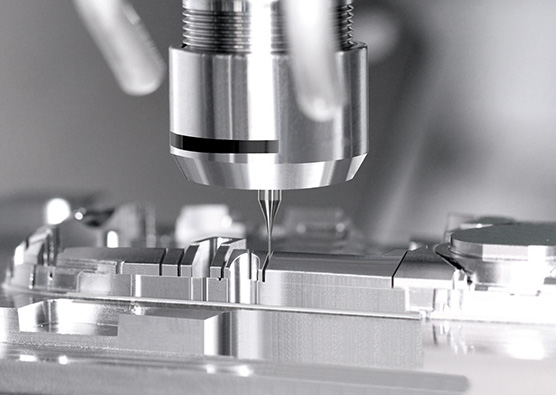
Prototyping is another area where mold customization provides value. Rapid design iterations require molds that can be adjusted quickly without interrupting production. By leveraging a Mold Customization Factory, manufacturers can test prototypes more efficiently, identify potential issues early, and refine designs before committing to full-scale production. This capability reduces the risk of costly mistakes and accelerates product development timelines.
Even medium- to large-scale production can benefit. Customized molds reduce variation between batches, which means fewer rejected parts and smoother assembly processes. This reliability is especially critical when producing high-volume items where small errors can escalate into significant production losses.
One of the tangible benefits of mold customization is the reduction of material waste. Standard molds may require adjustments during production, causing higher scrap rates and lost raw materials. Custom molds, on the other hand, are designed to fit each part precisely, reducing errors and ensuring consistent results.
Optimized molds also improve machine utilization. Accurate molds minimize the need for secondary operations or post-processing, reducing labor and machine downtime. The result is a more efficient production workflow that allows manufacturers to deliver products faster and more predictably.
Customized molds can support sustainable practices by limiting material waste and extending the mold's lifespan. A durable, well-designed mold reduces the frequency of replacements, lowering resource consumption and contributing to more environmentally conscious manufacturing.
Recommended Products


Sale Precision Stamping Mold Company


 English
 Español
 русский