[email protected]
 Monday to Friday 8 a.m.- 5 p.m.
Call Us +86-13968655659
[email protected] Monday to Friday 8 a.m.- 5 p.m.Industry News
 2026.06.05
 Industry News
Finding the right tooling partner is not easy. Walk into any stamping shop, and you will hear stories of dies that wore out too fast, cracked under pressure, or never held tolerance from day one. For motor core production, where precision directly affects electrical performance, the choice of a stamping mold manufacturer matters more than many buyers realize.
Unlike standard stamping dies that you can order from a catalog, motor core molds are always custom. Every stator and rotor shape is different. Every customer has different volume targets and press equipment. A good stamping mold manufacturer does not just cut steel. They engineer a solution around your specific needs.
Experience in motor core applications is one thing to check. A stamping mold manufacturer who has built dies for water pump motors, compressors, or automotive generators understands the tolerances required. They know that burr height on a stator inner diameter affects magnetic flux. They know that varnish penetration between laminations depends on stack pressure.
Ask how many years the stamping mold manufacturer has focused on high-speed progressive dies for electric motors. Twenty years of general stamping experience is not the same as twenty years of motor core work.
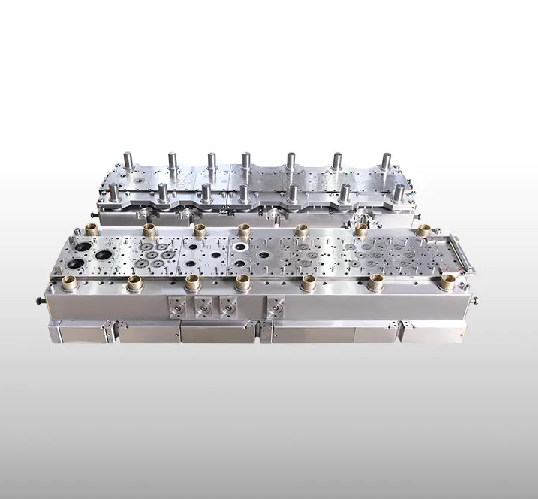
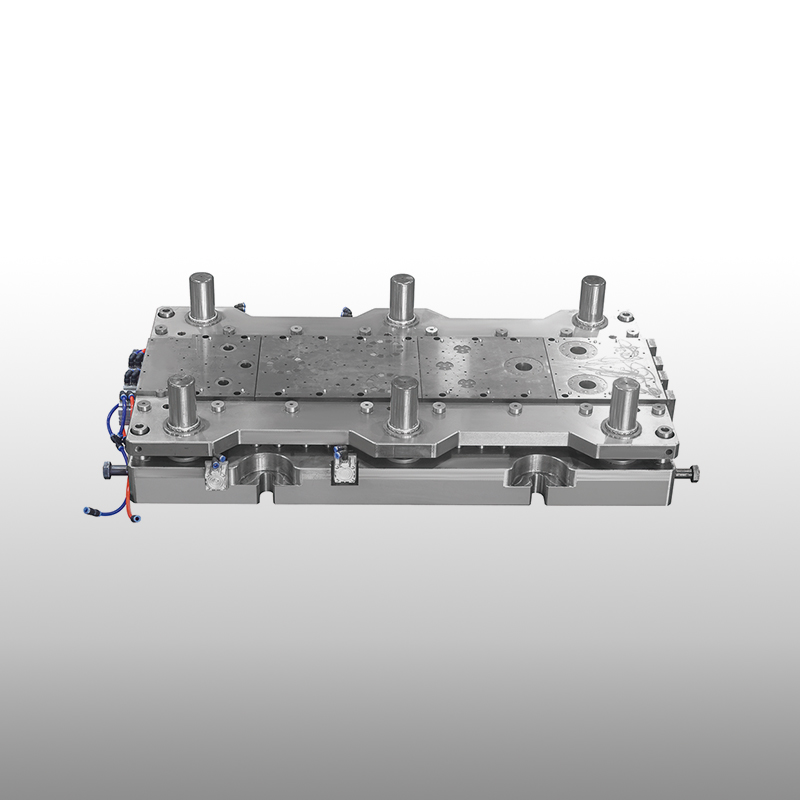
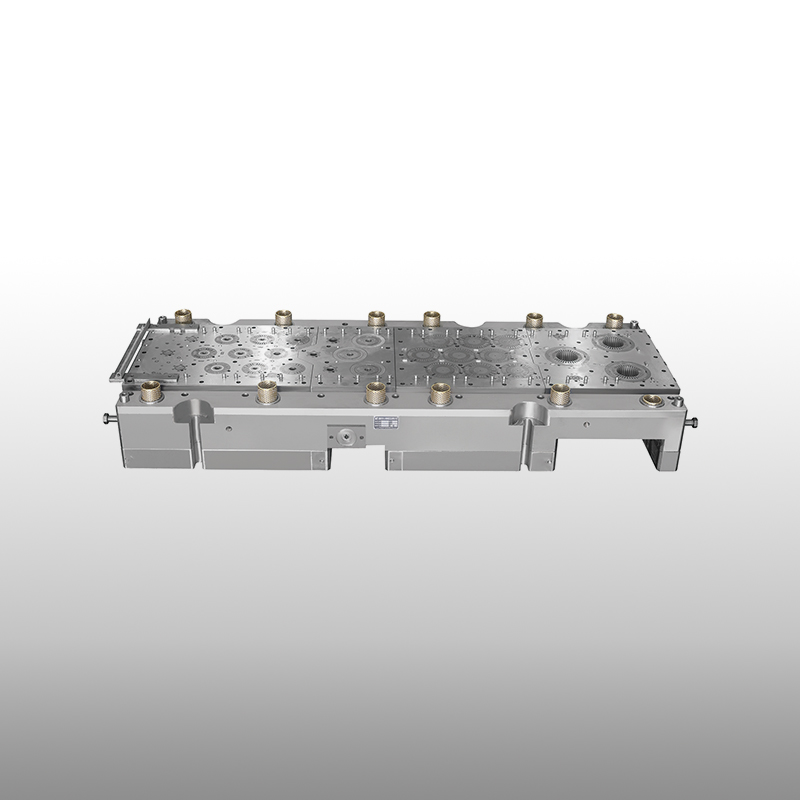
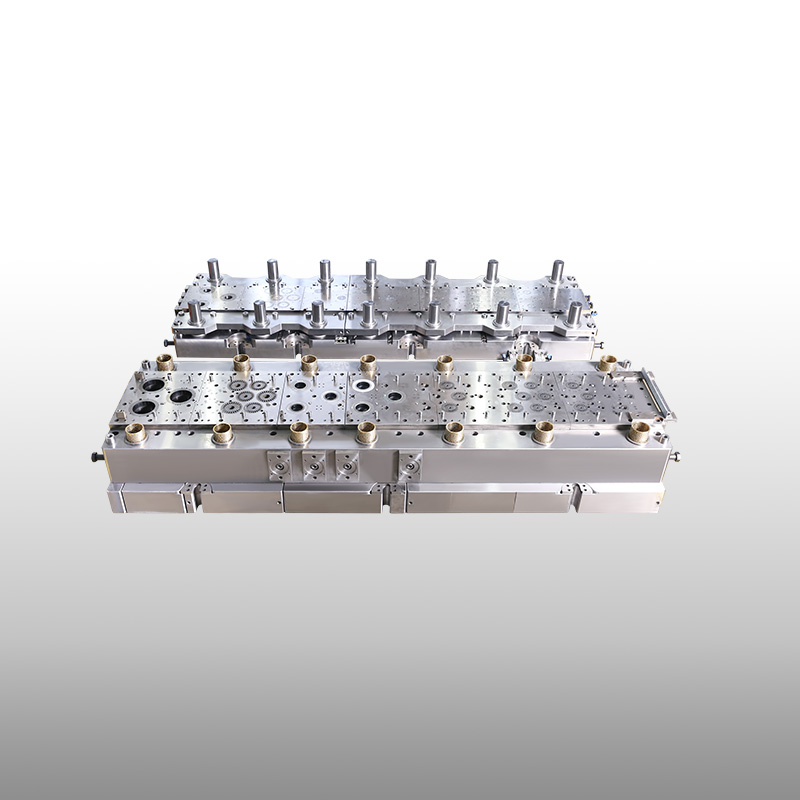
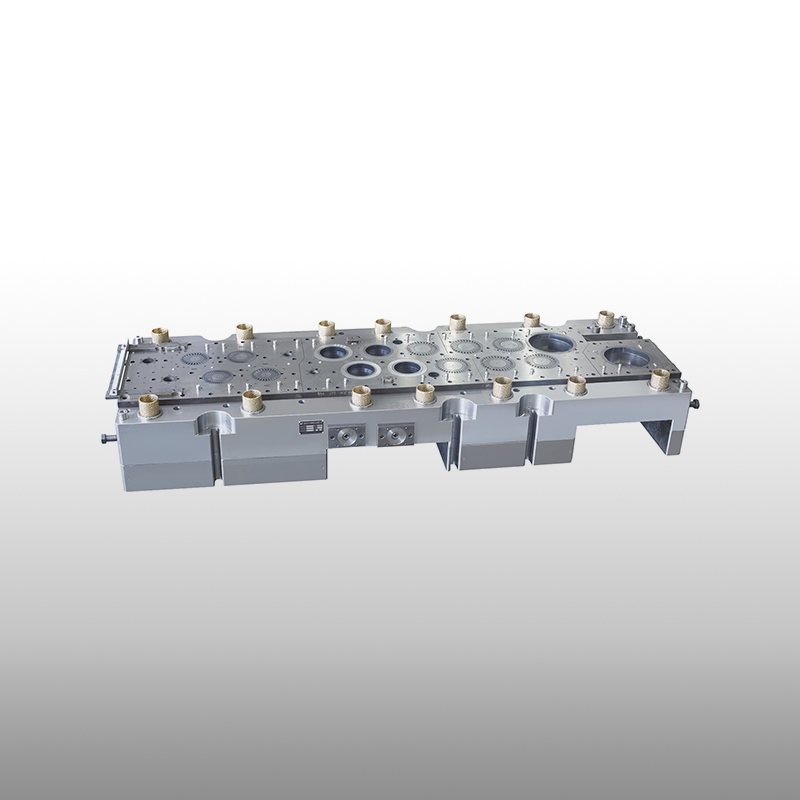
Single-row dies are simple. But they are slow. A capable stamping mold manufacturer should offer double-row, triple-row, or even higher configurations. More rows per stroke means more parts per minute. For high-volume production, that difference changes your cost structure.
When a stamping mold manufacturer proposes a three-row or four-row design, they are betting on their ability to maintain precision across a wider die. Ask to see examples of multi-row molds they have delivered. Ask how they handle material distortion across multiple cavities.
The steel used in a stamping die determines how many strokes it will survive before wearing out. A serious stamping mold manufacturer specifies tool steel grades based on your expected production volume. Low-volume prototype dies might use one material. High-volume production dies require more wear-resistant alloys.
Heat treatment is equally important. A stamping mold manufacturer who treats critical components in-house or works with a trusted heat treater delivers more consistent results. Uneven hardness leads to uneven wear. Uneven wear leads to tolerance drift.
Experienced toolmakers do not just accept your part drawing and build a die. They push back. A good stamping mold manufacturer will point out features that are difficult to stamp reliably. They will suggest small changes that reduce burrs or extend die life.
This collaboration is valuable. Do not choose a stamping mold manufacturer who says yes to everything. Choose one who asks questions. Why is this radius so sharp? Can we adjust this clearance? What is your actual annual volume, not just the target?
Price is always a factor. But comparing quotes on stamping molds by bottom line alone is a mistake. A cheaper stamping mold manufacturer may use lower grade steel, skip stress relieving, or rush the wire EDM process. The die might work fine for 100,000 strokes. Then it fails.
A higher quality stamping mold manufacturer builds dies that run for millions of strokes with minimal maintenance. The upfront cost is higher. The cost per part is lower. Ask for references. Talk to other customers about how many parts they get between sharpenings.
Custom tooling takes time. A realistic stamping mold manufacturer will give you a clear timeline: design review, material procurement, machining, heat treatment, assembly, tryout. Rushing any of these steps risks problems later.
Communication matters too. A good stamping mold manufacturer sends progress updates. They share photos during machining. They invite you to the tryout. They document changes. If a supplier is hard to reach before the order, they will be harder to reach after.
Your relationship with a stamping mold manufacturer should not end when the die leaves their shop. You will need spare parts. You will need sharpening services. You may want modifications as your product evolves.
A reliable stamping mold manufacturer keeps records of each die they build. They know the exact specs of your tooling. When you call with a problem, they pull up your file and help quickly.
For motor core stamping, the mold is the heart of your production line. Choose a stamping mold manufacturer who treats that responsibility seriously. The right partner saves you money over time, even if their quote is not the lowest.
Recommended Products


Sale Precision Stamping Mold Company


 English
 Español
 русский