[email protected]
 Monday to Friday 8 a.m.- 5 p.m.
Call Us +86-13968655659
[email protected] Monday to Friday 8 a.m.- 5 p.m.Industry News
 2026.07.03
 Industry News
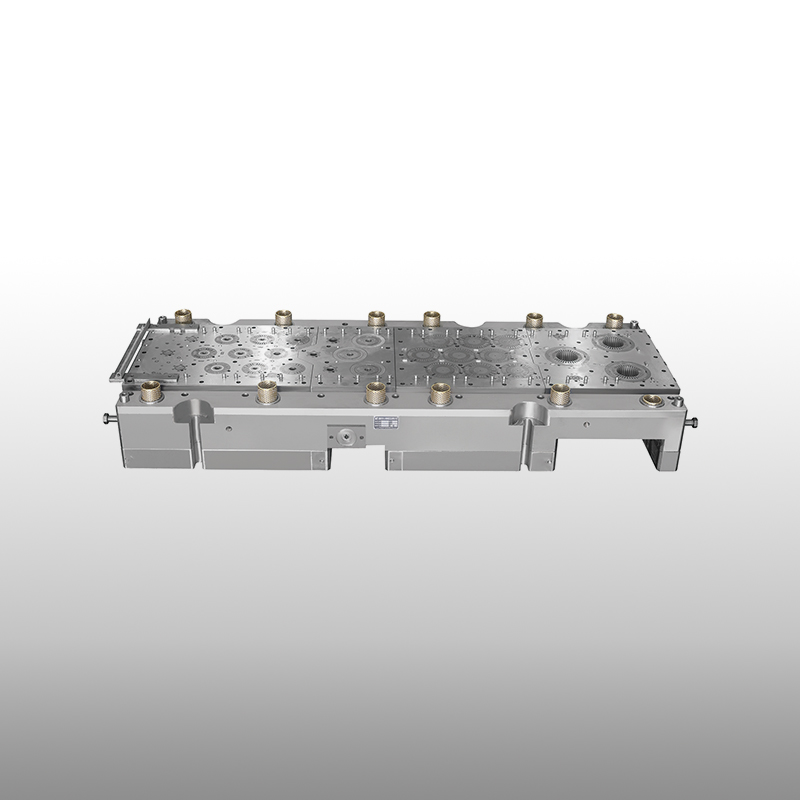
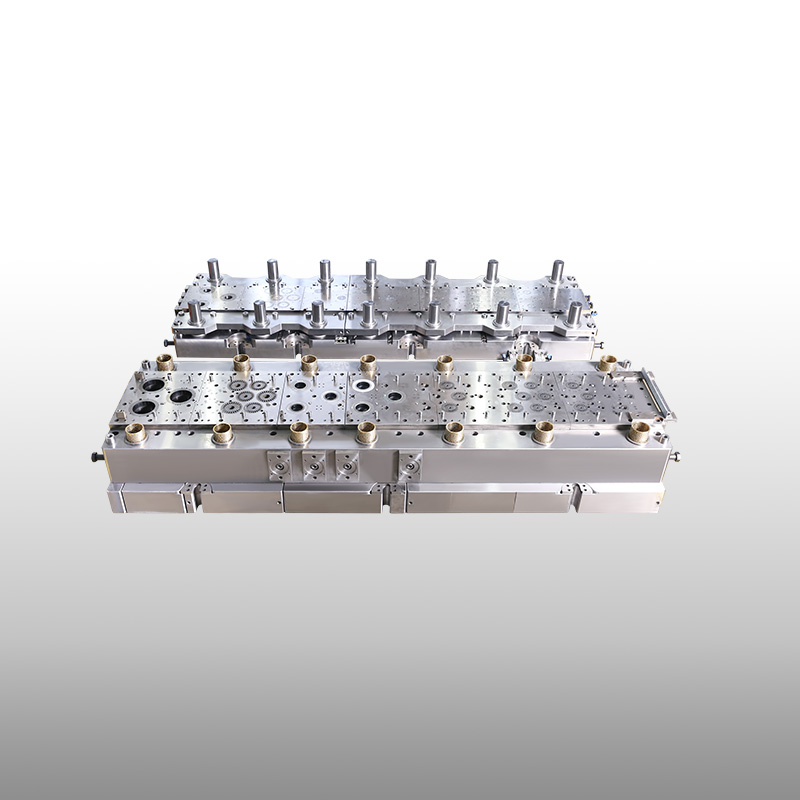
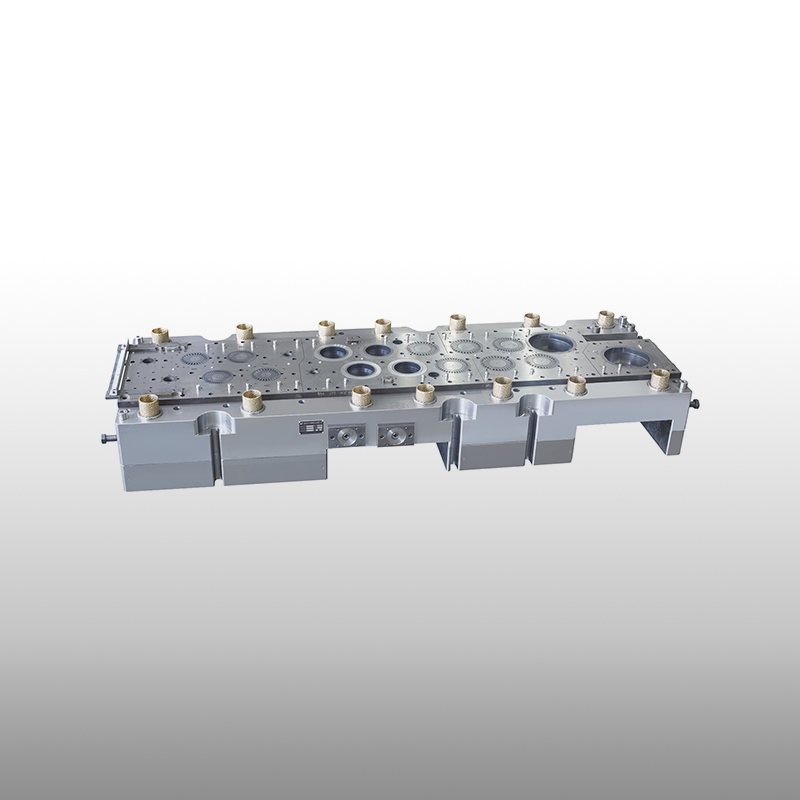
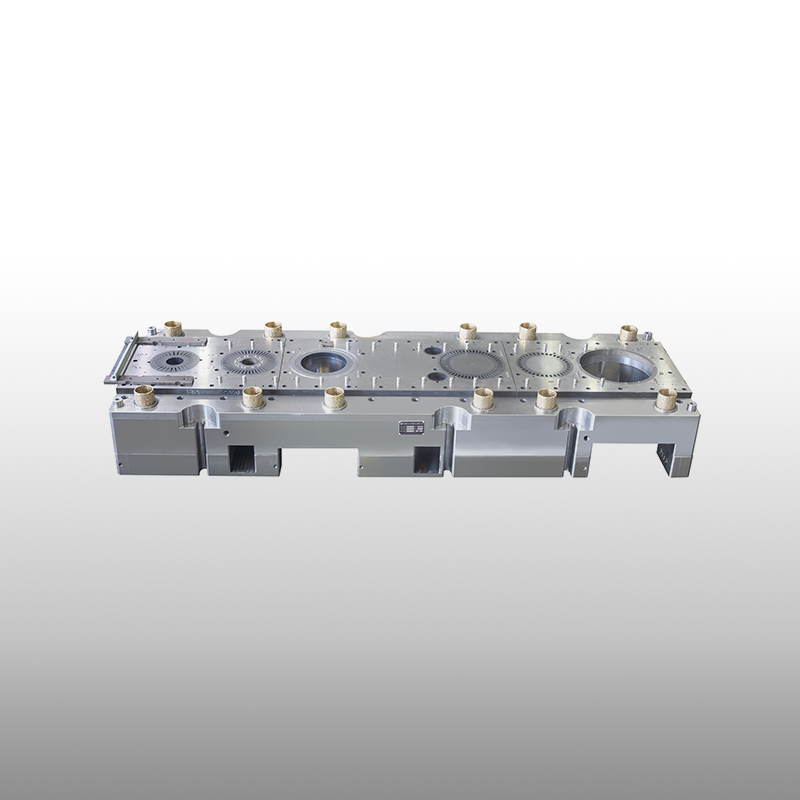
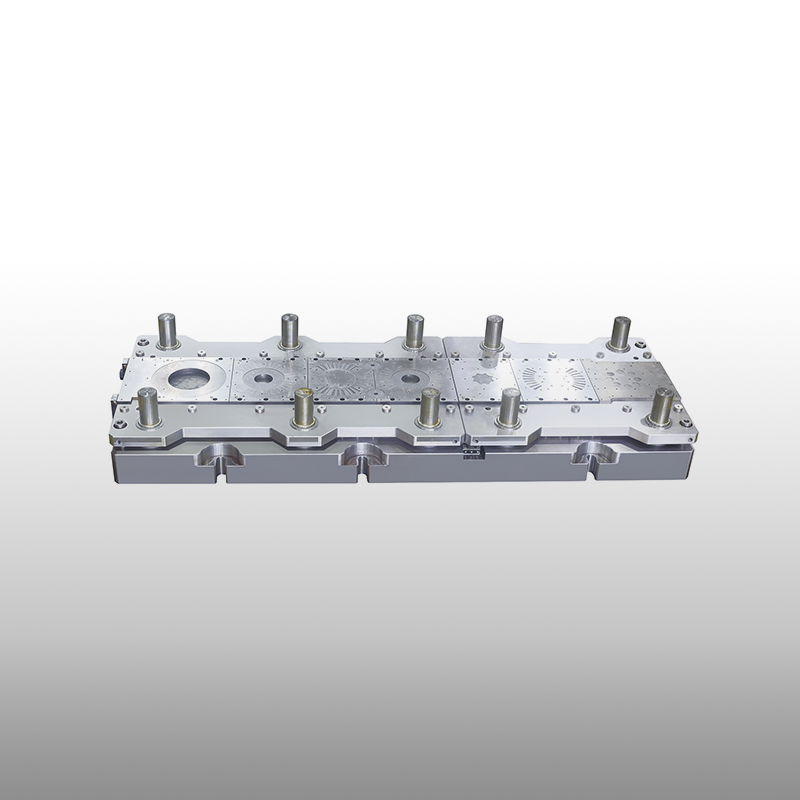
High speed stamping mold is expected to do far more than produce metal parts at high output. In modern motor core manufacturing, stability has become just as important as speed. A production line may process thousands of stamping cycles in a single shift, leaving very little room for unexpected interruptions.
Because of this, manufacturers are paying closer attention to how a high speed stamping mold performs during continuous operation rather than focusing only on its rated production speed. At the same time, the performance of the progressive stamping die has become another important topic, especially in factories producing precision electrical components.
Production Problems Rarely Begin With A Major Failure
Operators often describe production issues in a different way from maintenance teams.
The machine does not suddenly stop.
Instead, small changes begin to appear.
A stamped edge looks slightly different.
The feeding rhythm changes.
Inspection takes a little longer.
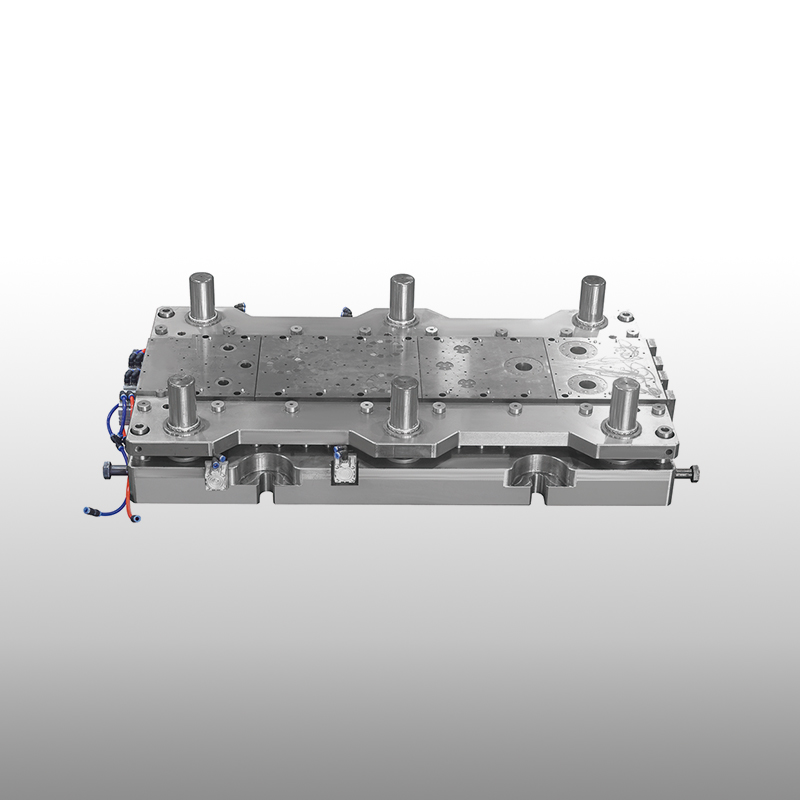
None of these signs immediately point to a damaged tool, yet they often encourage engineers to inspect the high speed stamping mold before quality begins to decline.
Experienced technicians usually regard these small changes as early signals instead of isolated incidents.
Stable Feeding Supports Continuous Output
In high-speed stamping, material movement is just as important as punching force.
If strip feeding becomes unstable, even a well-designed die may struggle to maintain consistent production.
This is one reason manufacturers often evaluate the complete progressive stamping die system instead of examining individual components separately.
The relationship between feeding accuracy and die alignment becomes increasingly important as production speed increases.
Rather than chasing higher stroke rates, many factories aim to keep every production cycle predictable.
Long Production Runs Tell A Different Story
Short demonstrations rarely reveal how tooling behaves during everyday manufacturing.
Real production is different.
A die may remain in operation for hours without significant interruption.
During that period, engineers observe more than finished parts.
They also watch scrap discharge, strip movement, lubrication, and overall production rhythm.
These observations provide a clearer picture of how a high speed stamping mold performs under practical factory conditions than laboratory demonstrations lasting only a few minutes.
Maintenance Is Becoming More Predictive
Several years ago, maintenance often started after visible wear appeared.
Today, many factories prefer to intervene much earlier.
Routine inspections are scheduled between production batches.
Clearances are checked.
Fastening points are verified.
Lubrication conditions are reviewed.
For a progressive stamping die, these inspections help prevent small variations from developing into larger production problems.
Maintenance has gradually shifted from repairing failures to reducing the chance of unexpected downtime.
Precision Depends On Repeated Consistency
Customers usually evaluate stamped components by dimensional accuracy.
Manufacturers look one step further.
They ask whether the same accuracy can be maintained after thousands of consecutive strokes.
That question places greater emphasis on process stability than on individual measurements.
A high speed stamping mold is therefore expected to deliver reliable results throughout extended production instead of producing only accurate sample parts.
Consistency across an entire production run often becomes the benchmark for long-term performance.
Reliable Production Starts Long Before Stamping Begins
Many engineers believe that successful stamping starts before the press is switched on.
Material preparation.
Tool inspection.
Strip alignment.
Equipment setup.
Each step influences everything that follows.
When these stages work together smoothly, both the high speed stamping mold and the progressive stamping die can operate under more stable conditions.
Rather than viewing tooling as an isolated product, manufacturers increasingly treat it as part of a complete production process where preparation, operation, and maintenance all contribute to long-term efficiency.
Recommended Products


Sale Precision Stamping Mold Company


 English
 Español
 русский